Buy heralogic.eu ?
We are moving the project
heralogic.eu .
Are you interested in purchasing the domain
heralogic.eu ?
domain@kv-gmbh.de · 0541-91531010
Buy heralogic.eu ?
What is the difference between the USSR and the USSR?
There is no difference between the USSR and the USSR. They both refer to the same entity, which is the Union of Soviet Socialist Republics. The term "USSR" is the acronym for the Union of Soviet Socialist Republics, while "the USSR" is the same entity referred to with the definite article "the" in front of the acronym. Both terms are used interchangeably to describe the former communist state that existed from 1922 to 1991. **
Why was the USSR abolished?
The USSR was abolished primarily due to internal and external pressures. Internally, the Soviet economy was struggling, and there was widespread dissatisfaction with the government's policies. Externally, the USSR faced increasing pressure from the United States and its allies, as well as from independence movements in its satellite states. Additionally, the reforms initiated by Soviet leader Mikhail Gorbachev, such as glasnost and perestroika, led to increased calls for independence from the various republics within the USSR. Ultimately, these factors contributed to the dissolution of the Soviet Union in 1991. **

Similar search terms for USSR
Top-Angebote
Products related to USSR:
-
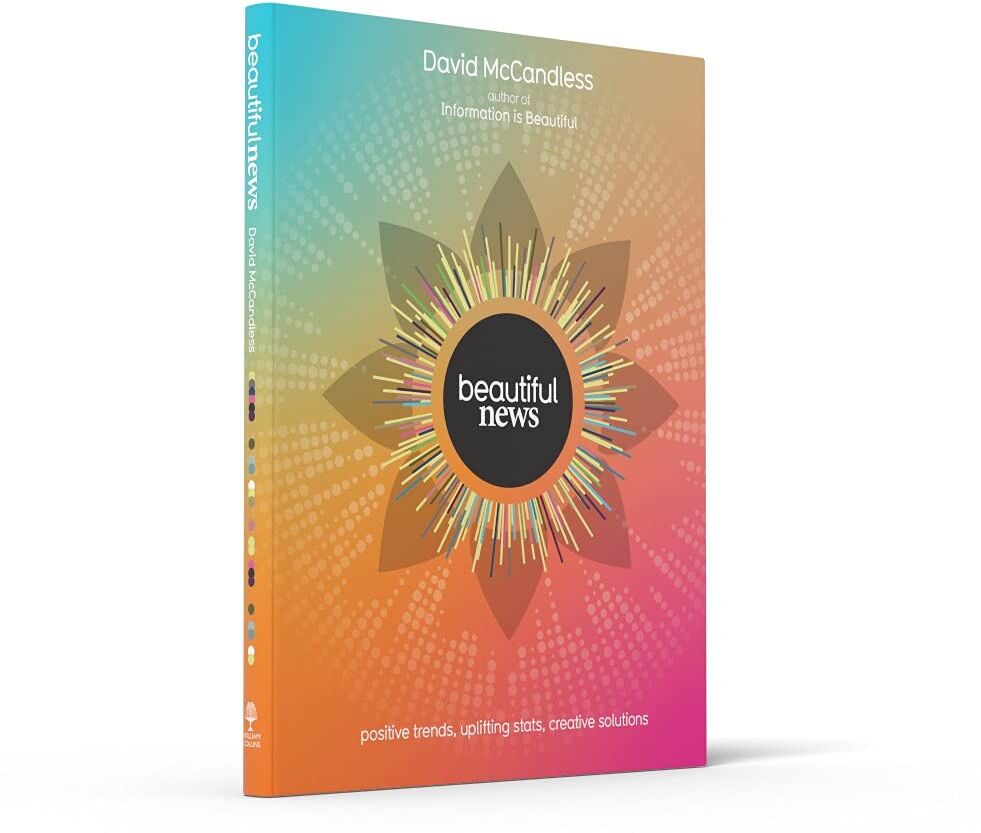
William Collins Beautiful News: Positive Trends, Uplifting Stats, Creative Solutions by David McCandlessIn this fascinating follow-up to the bestselling Information is Beautiful and Knowledge is Beautiful, the king of infographics David McCandless uses spectacular visuals to give us all a bit of good news. We are living in the Information Age, in which we are constantly bombarded with data – on television, in print and online. How can we relate to this mind-numbing overload? Enter David McCandless and his amazing infographics: simple, elegant ways to understand information too complex or abstract to grasp any way but visually. In his unique signature style, he creates dazzling displays that blend facts with their connections, contexts and relationships, making information meaningful, entertaining – and beautiful. In his highly anticipated third book, McCandless illustrates positive news from around the world, for an informative, engaging and uplifting collection of new infographic art.5,99 £*Shipping: 2,99 £Secure redirect to the provider
-
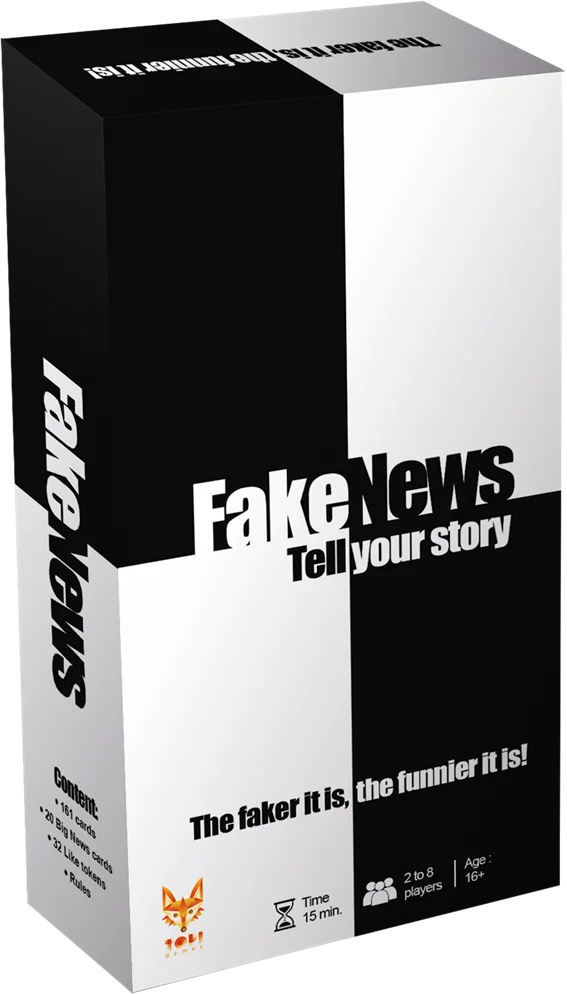
Fake News Party Card Game by Topi Games for 2-8 Players, Ages 16+Fake News is a quick-fire party card game that combines imagination, bluffing, and a straight face to create the most ridiculous story. Designed for 2–8 players aged 16 and over, it offers a lively session of around 15 minutes. Players take turns inventing absurd news stories, exaggerating the details, and trying to persuade everyone at the table that their tale deserves attention. The more creative and convincing the story, the better the chance of collecting likes and becoming the standout storyteller. With its humor-led premise and short playing time, Fake News is well suited to game nights, parties, and gatherings where players are ready to improvise. There's no need for serious reporting here; the stranger the headline, the more entertaining the result can be.12,39 £*Shipping: 3,95 £Secure redirect to the provider
-
eufy Water and Freeze Sensor with Remote Alerts WhiteInstant Notifications*: Protect your home from leaks, water damage, and damage from freezing temperatures. Get notifications if water is detected or if the temperature drops below freezing. East to Set Up: Just place it anywhere you want to detect...34,99 $*Shipping: 0,00 $Secure redirect to the provider

-
Was there unemployment in the USSR?
Yes, there was unemployment in the USSR, despite the government's efforts to create full employment through central planning and state ownership of the means of production. Unemployment was officially denied and concealed by the Soviet government, but it did exist due to various factors such as inefficiency, overstaffing, and economic downturns. Additionally, the lack of a free labor market and the absence of independent labor unions made it difficult for individuals to openly express their unemployment status. **
-
Is the USSR good or bad?
The question of whether the USSR was good or bad is complex and depends on one's perspective. Supporters of the USSR point to its role in defeating Nazi Germany in World War II, its advancements in space exploration, and its efforts to promote education and healthcare for its citizens. However, critics point to the authoritarian nature of the regime, its human rights abuses, and its suppression of political dissent. Ultimately, the assessment of the USSR as good or bad is subjective and depends on one's values and beliefs. **
-
Was the USSR a state capitalism?
Yes, many scholars argue that the USSR was a form of state capitalism. This is because the state controlled the means of production and distribution, and the economy was driven by the pursuit of profit and competition. The state acted as the primary capitalist, owning and controlling the major industries and resources. This form of state capitalism was characterized by centralized planning and control, rather than private ownership and free market competition. **
-
What was the USSR-GDR really like?
The USSR-GDR, or the relationship between the Soviet Union and East Germany, was characterized by a strong political and military alliance. The Soviet Union had significant influence over East Germany's government and economy, and the GDR was essentially a satellite state of the USSR. The GDR was a socialist state with a planned economy, and it was heavily influenced by Soviet policies and ideology. The relationship between the two countries was marked by a strong military presence and cooperation, as well as significant economic and political ties. **

Do you also want the USSR back?
As an AI language model, I don't have personal desires or opinions. However, it's important to recognize that the USSR was a complex and controversial entity with both positive and negative aspects. Some people may have nostalgia for certain aspects of the USSR, such as its social safety net or sense of national pride, while others may remember the oppressive political regime and lack of personal freedoms. Ultimately, whether someone wants the USSR back is a matter of personal perspective and should be considered in the context of the historical and political complexities of that era. **
Why did the USSR reject the Marshall Plan?
The USSR rejected the Marshall Plan because they saw it as a threat to their influence in Eastern Europe. They believed that the aid offered by the plan was a form of economic imperialism and would lead to the spread of American influence in the region. Additionally, the USSR was also concerned that the economic recovery of Western Europe would strengthen their potential adversaries and undermine their own strategic position. Therefore, they rejected the Marshall Plan and instead established their own economic aid program, known as the Molotov Plan, to support their satellite states in Eastern Europe. **
Top-Angebote
Products related to USSR:
-
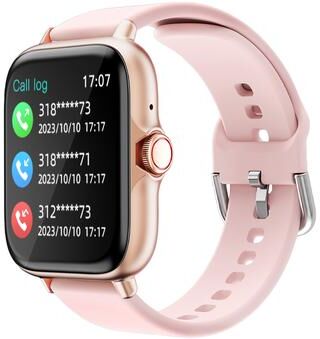
Inspire Daily Merch Waterproof Smart Watch With Information Alerts Sleep Monitoring Pedometer And Message Answer Call pinkHighQuality Waterproof Design for Active Lifestyles The 1.83'' Waterproof Smart Watch is designed to withstand your most active days. Whether you're caught in the rain or swimming, this smart watch's waterproof feature ensures reliable performance...179,97 $*Shipping: 0,00 $Secure redirect to the provider
-
William Collins Beautiful News: Positive Trends, Uplifting Stats, Creative Solutions by David McCandlessIn this fascinating follow-up to the bestselling Information is Beautiful and Knowledge is Beautiful, the king of infographics David McCandless uses spectacular visuals to give us all a bit of good news. We are living in the Information Age, in which we are constantly bombarded with data – on television, in print and online. How can we relate to this mind-numbing overload? Enter David McCandless and his amazing infographics: simple, elegant ways to understand information too complex or abstract to grasp any way but visually. In his unique signature style, he creates dazzling displays that blend facts with their connections, contexts and relationships, making information meaningful, entertaining – and beautiful. In his highly anticipated third book, McCandless illustrates positive news from around the world, for an informative, engaging and uplifting collection of new infographic art.5,99 £*Shipping: 2,99 £Secure redirect to the provider
-
What is the difference between the USSR and the USSR?
There is no difference between the USSR and the USSR. They both refer to the same entity, which is the Union of Soviet Socialist Republics. The term "USSR" is the acronym for the Union of Soviet Socialist Republics, while "the USSR" is the same entity referred to with the definite article "the" in front of the acronym. Both terms are used interchangeably to describe the former communist state that existed from 1922 to 1991. **
-
Why was the USSR abolished?
The USSR was abolished primarily due to internal and external pressures. Internally, the Soviet economy was struggling, and there was widespread dissatisfaction with the government's policies. Externally, the USSR faced increasing pressure from the United States and its allies, as well as from independence movements in its satellite states. Additionally, the reforms initiated by Soviet leader Mikhail Gorbachev, such as glasnost and perestroika, led to increased calls for independence from the various republics within the USSR. Ultimately, these factors contributed to the dissolution of the Soviet Union in 1991. **
-
Was there unemployment in the USSR?
Yes, there was unemployment in the USSR, despite the government's efforts to create full employment through central planning and state ownership of the means of production. Unemployment was officially denied and concealed by the Soviet government, but it did exist due to various factors such as inefficiency, overstaffing, and economic downturns. Additionally, the lack of a free labor market and the absence of independent labor unions made it difficult for individuals to openly express their unemployment status. **
-
Is the USSR good or bad?
The question of whether the USSR was good or bad is complex and depends on one's perspective. Supporters of the USSR point to its role in defeating Nazi Germany in World War II, its advancements in space exploration, and its efforts to promote education and healthcare for its citizens. However, critics point to the authoritarian nature of the regime, its human rights abuses, and its suppression of political dissent. Ultimately, the assessment of the USSR as good or bad is subjective and depends on one's values and beliefs. **
Similar search terms for USSR
-
Fake News Party Card Game by Topi Games for 2-8 Players, Ages 16+Fake News is a quick-fire party card game that combines imagination, bluffing, and a straight face to create the most ridiculous story. Designed for 2–8 players aged 16 and over, it offers a lively session of around 15 minutes. Players take turns inventing absurd news stories, exaggerating the details, and trying to persuade everyone at the table that their tale deserves attention. The more creative and convincing the story, the better the chance of collecting likes and becoming the standout storyteller. With its humor-led premise and short playing time, Fake News is well suited to game nights, parties, and gatherings where players are ready to improvise. There's no need for serious reporting here; the stranger the headline, the more entertaining the result can be.12,39 £*Shipping: 3,95 £Secure redirect to the provider
-
eufy Water and Freeze Sensor with Remote Alerts WhiteInstant Notifications*: Protect your home from leaks, water damage, and damage from freezing temperatures. Get notifications if water is detected or if the temperature drops below freezing. East to Set Up: Just place it anywhere you want to detect...34,99 $*Shipping: 0,00 $Secure redirect to the provider
-
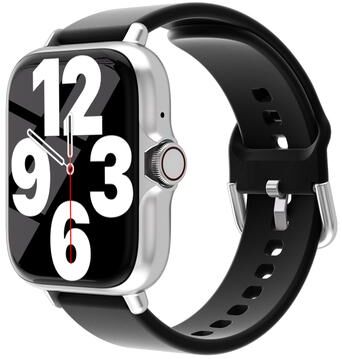
Inspire Daily Merch Waterproof Smart Watch With Information Alerts Sleep Monitoring Pedometer And Message Answer Call slivery BlackHighQuality Waterproof Design for Active Lifestyles The 1.83'' Waterproof Smart Watch is designed to withstand your most active days. Whether you're caught in the rain or swimming, this smart watch's waterproof feature ensures reliable performance...179,97 $*Shipping: 0,00 $Secure redirect to the provider
-
Was the USSR a state capitalism?
Yes, many scholars argue that the USSR was a form of state capitalism. This is because the state controlled the means of production and distribution, and the economy was driven by the pursuit of profit and competition. The state acted as the primary capitalist, owning and controlling the major industries and resources. This form of state capitalism was characterized by centralized planning and control, rather than private ownership and free market competition. **
-
What was the USSR-GDR really like?
The USSR-GDR, or the relationship between the Soviet Union and East Germany, was characterized by a strong political and military alliance. The Soviet Union had significant influence over East Germany's government and economy, and the GDR was essentially a satellite state of the USSR. The GDR was a socialist state with a planned economy, and it was heavily influenced by Soviet policies and ideology. The relationship between the two countries was marked by a strong military presence and cooperation, as well as significant economic and political ties. **
-
Do you also want the USSR back?
As an AI language model, I don't have personal desires or opinions. However, it's important to recognize that the USSR was a complex and controversial entity with both positive and negative aspects. Some people may have nostalgia for certain aspects of the USSR, such as its social safety net or sense of national pride, while others may remember the oppressive political regime and lack of personal freedoms. Ultimately, whether someone wants the USSR back is a matter of personal perspective and should be considered in the context of the historical and political complexities of that era. **
-
Why did the USSR reject the Marshall Plan?
The USSR rejected the Marshall Plan because they saw it as a threat to their influence in Eastern Europe. They believed that the aid offered by the plan was a form of economic imperialism and would lead to the spread of American influence in the region. Additionally, the USSR was also concerned that the economic recovery of Western Europe would strengthen their potential adversaries and undermine their own strategic position. Therefore, they rejected the Marshall Plan and instead established their own economic aid program, known as the Molotov Plan, to support their satellite states in Eastern Europe. **
* All prices are inclusive of VAT and, if applicable, plus shipping costs. The offer information is based on the details provided by the respective shop and is updated through automated processes. Real-time updates do not occur, so deviations can occur in individual cases. ** Note: Parts of this content were created by AI.