Buy heralogic.eu ?
We are moving the project
heralogic.eu .
Are you interested in purchasing the domain
heralogic.eu ?
domain@kv-gmbh.de · 0541-91531010
Buy heralogic.eu ?
How do you read information when interpreting gel electrophoresis?
When interpreting gel electrophoresis, you read the information by looking at the bands that appear on the gel. Each band represents a different DNA fragment of a specific size. The distance the bands have traveled on the gel indicates the size of the DNA fragments, with smaller fragments traveling further than larger ones. By comparing the bands to a DNA ladder or standard, you can determine the size of the DNA fragments in your sample. **
How do you read information from gel electrophoresis during interpretation?
When interpreting gel electrophoresis results, one reads the bands on the gel to determine the sizes of DNA fragments. The smaller fragments will travel further through the gel, so they will appear closer to the bottom of the gel. By comparing the position of the bands to a DNA ladder or molecular weight marker, one can estimate the size of the DNA fragments. The intensity of the bands can also provide information about the amount of DNA present in each fragment. **

Similar search terms for Electrophoresis
Top-Angebote
Products related to Electrophoresis:
-
William Collins Beautiful News: Positive Trends, Uplifting Stats, Creative Solutions by David McCandlessIn this fascinating follow-up to the bestselling Information is Beautiful and Knowledge is Beautiful, the king of infographics David McCandless uses spectacular visuals to give us all a bit of good news. We are living in the Information Age, in which we are constantly bombarded with data – on television, in print and online. How can we relate to this mind-numbing overload? Enter David McCandless and his amazing infographics: simple, elegant ways to understand information too complex or abstract to grasp any way but visually. In his unique signature style, he creates dazzling displays that blend facts with their connections, contexts and relationships, making information meaningful, entertaining – and beautiful. In his highly anticipated third book, McCandless illustrates positive news from around the world, for an informative, engaging and uplifting collection of new infographic art.5,99 £*Shipping: 2,99 £Secure redirect to the provider
-
Fake News Party Card Game by Topi Games for 2-8 Players, Ages 16+Fake News is a quick-fire party card game that combines imagination, bluffing, and a straight face to create the most ridiculous story. Designed for 2–8 players aged 16 and over, it offers a lively session of around 15 minutes. Players take turns inventing absurd news stories, exaggerating the details, and trying to persuade everyone at the table that their tale deserves attention. The more creative and convincing the story, the better the chance of collecting likes and becoming the standout storyteller. With its humor-led premise and short playing time, Fake News is well suited to game nights, parties, and gatherings where players are ready to improvise. There's no need for serious reporting here; the stranger the headline, the more entertaining the result can be.12,39 £*Shipping: 3,95 £Secure redirect to the provider
-
eufy Water and Freeze Sensor with Remote Alerts WhiteInstant Notifications*: Protect your home from leaks, water damage, and damage from freezing temperatures. Get notifications if water is detected or if the temperature drops below freezing. East to Set Up: Just place it anywhere you want to detect...34,99 $*Shipping: 0,00 $Secure redirect to the provider




-
How is the gel electrophoresis carried out?
Gel electrophoresis is carried out by first preparing a gel made of agarose or polyacrylamide, which is then placed in a buffer-filled chamber. DNA or RNA samples are mixed with a loading dye and loaded into wells in the gel. An electric current is then applied to the gel, causing the negatively charged DNA or RNA molecules to move through the gel towards the positive electrode. The smaller molecules move faster and travel farther through the gel, resulting in separation of the DNA or RNA fragments based on size. Finally, the gel is stained and visualized under UV light to observe the separated DNA or RNA bands. **
-
How is staining done in gel electrophoresis?
Staining in gel electrophoresis is typically done after the DNA or protein bands have been separated in the gel. The gel is first soaked in a staining solution that binds to the DNA or protein molecules, making them visible under UV light or by using a specialized imaging system. Common staining methods include using ethidium bromide for DNA or Coomassie blue for proteins. After staining, the gel is destained to remove excess dye and improve the contrast of the bands. **
-
How is the gel electrophoresis analysis carried out?
Gel electrophoresis analysis is carried out by first preparing a gel, typically made of agarose or polyacrylamide, and creating wells at one end of the gel. Then, the DNA or RNA samples are mixed with a loading dye and loaded into the wells. An electric current is applied to the gel, causing the negatively charged DNA or RNA molecules to move towards the positively charged end of the gel. The smaller molecules move faster and travel further through the gel, resulting in separation of the DNA or RNA fragments based on size. After the electrophoresis is complete, the gel is stained with a dye that binds to the DNA or RNA, allowing the separated bands to be visualized under UV light. **
-
How is the banding pattern of gel electrophoresis evaluated?
The banding pattern of gel electrophoresis is evaluated by examining the position and intensity of the bands on the gel. Each band represents a different fragment of DNA or RNA based on its size, with smaller fragments migrating faster and appearing closer to the positive electrode. The intensity of the bands corresponds to the amount of DNA or RNA present in each fragment. By comparing the banding pattern of the sample with known standards or markers, researchers can determine the size and quantity of the nucleic acid fragments present in the sample. **

How are gel electrophoresis and diseases related in biology?
Gel electrophoresis is a technique used in biology to separate and analyze DNA, RNA, or proteins based on their size and charge. This technique is commonly used in the field of molecular biology to study genetic diseases. By running DNA samples through gel electrophoresis, scientists can identify mutations or variations in the DNA that may be associated with certain genetic diseases. This helps in diagnosing genetic disorders and understanding the underlying molecular mechanisms of diseases. **
How to interpret the banding pattern of gel electrophoresis?
The banding pattern of gel electrophoresis can be interpreted by looking at the position and intensity of the bands. The position of the bands indicates the size of the DNA fragments, with smaller fragments migrating further down the gel. The intensity of the bands corresponds to the amount of DNA present in each fragment. By comparing the banding pattern of the sample with a DNA ladder of known sizes, one can determine the size of the DNA fragments in the sample. **
Top-Angebote
Products related to Electrophoresis:
-
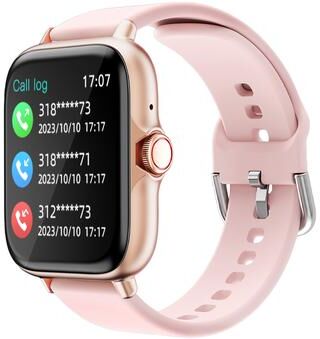
Inspire Daily Merch Waterproof Smart Watch With Information Alerts Sleep Monitoring Pedometer And Message Answer Call pinkHighQuality Waterproof Design for Active Lifestyles The 1.83'' Waterproof Smart Watch is designed to withstand your most active days. Whether you're caught in the rain or swimming, this smart watch's waterproof feature ensures reliable performance...179,97 $*Shipping: 0,00 $Secure redirect to the provider
-
William Collins Beautiful News: Positive Trends, Uplifting Stats, Creative Solutions by David McCandlessIn this fascinating follow-up to the bestselling Information is Beautiful and Knowledge is Beautiful, the king of infographics David McCandless uses spectacular visuals to give us all a bit of good news. We are living in the Information Age, in which we are constantly bombarded with data – on television, in print and online. How can we relate to this mind-numbing overload? Enter David McCandless and his amazing infographics: simple, elegant ways to understand information too complex or abstract to grasp any way but visually. In his unique signature style, he creates dazzling displays that blend facts with their connections, contexts and relationships, making information meaningful, entertaining – and beautiful. In his highly anticipated third book, McCandless illustrates positive news from around the world, for an informative, engaging and uplifting collection of new infographic art.5,99 £*Shipping: 2,99 £Secure redirect to the provider
-
How do you read information when interpreting gel electrophoresis?
When interpreting gel electrophoresis, you read the information by looking at the bands that appear on the gel. Each band represents a different DNA fragment of a specific size. The distance the bands have traveled on the gel indicates the size of the DNA fragments, with smaller fragments traveling further than larger ones. By comparing the bands to a DNA ladder or standard, you can determine the size of the DNA fragments in your sample. **
-
How do you read information from gel electrophoresis during interpretation?
When interpreting gel electrophoresis results, one reads the bands on the gel to determine the sizes of DNA fragments. The smaller fragments will travel further through the gel, so they will appear closer to the bottom of the gel. By comparing the position of the bands to a DNA ladder or molecular weight marker, one can estimate the size of the DNA fragments. The intensity of the bands can also provide information about the amount of DNA present in each fragment. **
-
How is the gel electrophoresis carried out?
Gel electrophoresis is carried out by first preparing a gel made of agarose or polyacrylamide, which is then placed in a buffer-filled chamber. DNA or RNA samples are mixed with a loading dye and loaded into wells in the gel. An electric current is then applied to the gel, causing the negatively charged DNA or RNA molecules to move through the gel towards the positive electrode. The smaller molecules move faster and travel farther through the gel, resulting in separation of the DNA or RNA fragments based on size. Finally, the gel is stained and visualized under UV light to observe the separated DNA or RNA bands. **
-
How is staining done in gel electrophoresis?
Staining in gel electrophoresis is typically done after the DNA or protein bands have been separated in the gel. The gel is first soaked in a staining solution that binds to the DNA or protein molecules, making them visible under UV light or by using a specialized imaging system. Common staining methods include using ethidium bromide for DNA or Coomassie blue for proteins. After staining, the gel is destained to remove excess dye and improve the contrast of the bands. **
Similar search terms for Electrophoresis
-
Fake News Party Card Game by Topi Games for 2-8 Players, Ages 16+Fake News is a quick-fire party card game that combines imagination, bluffing, and a straight face to create the most ridiculous story. Designed for 2–8 players aged 16 and over, it offers a lively session of around 15 minutes. Players take turns inventing absurd news stories, exaggerating the details, and trying to persuade everyone at the table that their tale deserves attention. The more creative and convincing the story, the better the chance of collecting likes and becoming the standout storyteller. With its humor-led premise and short playing time, Fake News is well suited to game nights, parties, and gatherings where players are ready to improvise. There's no need for serious reporting here; the stranger the headline, the more entertaining the result can be.12,39 £*Shipping: 3,95 £Secure redirect to the provider
-
eufy Water and Freeze Sensor with Remote Alerts WhiteInstant Notifications*: Protect your home from leaks, water damage, and damage from freezing temperatures. Get notifications if water is detected or if the temperature drops below freezing. East to Set Up: Just place it anywhere you want to detect...34,99 $*Shipping: 0,00 $Secure redirect to the provider
-
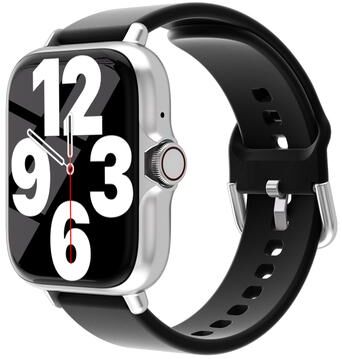
Inspire Daily Merch Waterproof Smart Watch With Information Alerts Sleep Monitoring Pedometer And Message Answer Call slivery BlackHighQuality Waterproof Design for Active Lifestyles The 1.83'' Waterproof Smart Watch is designed to withstand your most active days. Whether you're caught in the rain or swimming, this smart watch's waterproof feature ensures reliable performance...179,97 $*Shipping: 0,00 $Secure redirect to the provider
-
How is the gel electrophoresis analysis carried out?
Gel electrophoresis analysis is carried out by first preparing a gel, typically made of agarose or polyacrylamide, and creating wells at one end of the gel. Then, the DNA or RNA samples are mixed with a loading dye and loaded into the wells. An electric current is applied to the gel, causing the negatively charged DNA or RNA molecules to move towards the positively charged end of the gel. The smaller molecules move faster and travel further through the gel, resulting in separation of the DNA or RNA fragments based on size. After the electrophoresis is complete, the gel is stained with a dye that binds to the DNA or RNA, allowing the separated bands to be visualized under UV light. **
-
How is the banding pattern of gel electrophoresis evaluated?
The banding pattern of gel electrophoresis is evaluated by examining the position and intensity of the bands on the gel. Each band represents a different fragment of DNA or RNA based on its size, with smaller fragments migrating faster and appearing closer to the positive electrode. The intensity of the bands corresponds to the amount of DNA or RNA present in each fragment. By comparing the banding pattern of the sample with known standards or markers, researchers can determine the size and quantity of the nucleic acid fragments present in the sample. **
-
How are gel electrophoresis and diseases related in biology?
Gel electrophoresis is a technique used in biology to separate and analyze DNA, RNA, or proteins based on their size and charge. This technique is commonly used in the field of molecular biology to study genetic diseases. By running DNA samples through gel electrophoresis, scientists can identify mutations or variations in the DNA that may be associated with certain genetic diseases. This helps in diagnosing genetic disorders and understanding the underlying molecular mechanisms of diseases. **
-
How to interpret the banding pattern of gel electrophoresis?
The banding pattern of gel electrophoresis can be interpreted by looking at the position and intensity of the bands. The position of the bands indicates the size of the DNA fragments, with smaller fragments migrating further down the gel. The intensity of the bands corresponds to the amount of DNA present in each fragment. By comparing the banding pattern of the sample with a DNA ladder of known sizes, one can determine the size of the DNA fragments in the sample. **
* All prices are inclusive of VAT and, if applicable, plus shipping costs. The offer information is based on the details provided by the respective shop and is updated through automated processes. Real-time updates do not occur, so deviations can occur in individual cases. ** Note: Parts of this content were created by AI.