Buy heralogic.eu ?
We are moving the project
heralogic.eu .
Are you interested in purchasing the domain
heralogic.eu ?
domain@kv-gmbh.de · 0541-91531010
Buy heralogic.eu ?
What is the correct grammatical form of "laisser qn faire qc" and "faire qn faire qc"?
The correct grammatical form of "laisser qn faire qc" is to let someone do something. This construction uses the verb "laisser" (to let) followed by a person (qn) and an action (qc). On the other hand, the correct grammatical form of "faire qn faire qc" is to make someone do something. This construction uses the verb "faire" (to make) followed by a person (qn) and an action (qc) that they are being made to do. **
How do you form "venir de faire" and "être en train de faire"?
"Venir de faire" is formed by conjugating the verb "venir" in the present tense followed by the preposition "de" and the infinitive of the verb you want to express has just been done. For example, "Je viens de manger" means "I have just eaten." "Être en train de faire" is formed by conjugating the verb "être" in the present tense followed by the preposition "en train de" and the infinitive of the verb you want to express is currently being done. For example, "Je suis en train de manger" means "I am currently eating." **


Similar search terms for Faire
Top-Angebote
Products related to Faire:
-
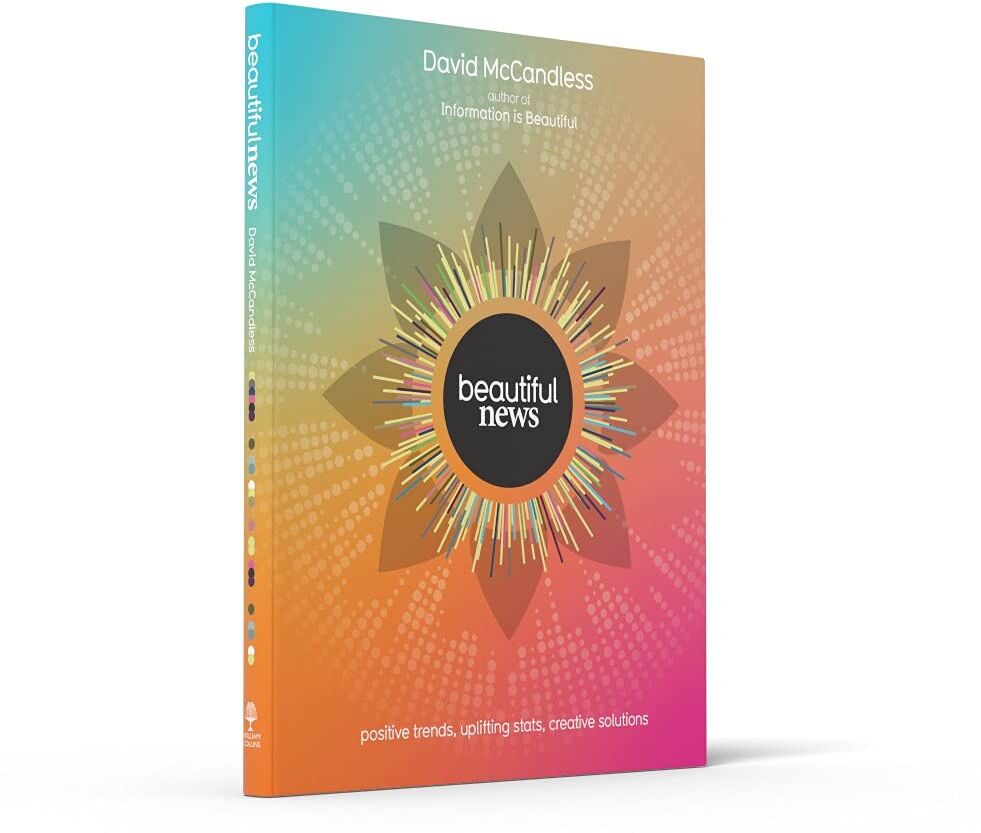
William Collins Beautiful News: Positive Trends, Uplifting Stats, Creative Solutions by David McCandlessIn this fascinating follow-up to the bestselling Information is Beautiful and Knowledge is Beautiful, the king of infographics David McCandless uses spectacular visuals to give us all a bit of good news. We are living in the Information Age, in which we are constantly bombarded with data – on television, in print and online. How can we relate to this mind-numbing overload? Enter David McCandless and his amazing infographics: simple, elegant ways to understand information too complex or abstract to grasp any way but visually. In his unique signature style, he creates dazzling displays that blend facts with their connections, contexts and relationships, making information meaningful, entertaining – and beautiful. In his highly anticipated third book, McCandless illustrates positive news from around the world, for an informative, engaging and uplifting collection of new infographic art.5,99 £*Shipping: 2,99 £Secure redirect to the provider
-
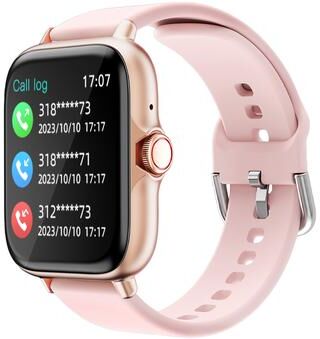
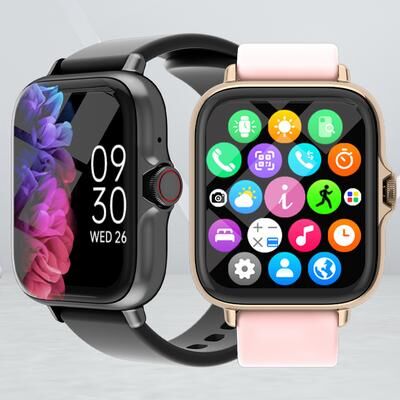
Inspire Daily Merch Waterproof Smart Watch With Information Alerts Sleep Monitoring Pedometer And Message Answer Call pinkHighQuality Waterproof Design for Active Lifestyles The 1.83'' Waterproof Smart Watch is designed to withstand your most active days. Whether you're caught in the rain or swimming, this smart watch's waterproof feature ensures reliable performance...179,97 $*Shipping: 0,00 $Secure redirect to the provider
-
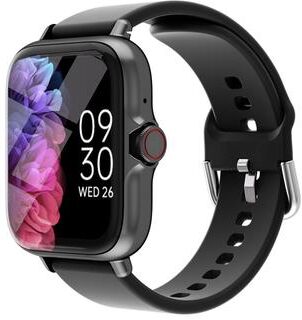
Inspire Daily Merch Waterproof Smart Watch With Information Alerts Sleep Monitoring Pedometer And Message Answer Call blackHighQuality Waterproof Design for Active Lifestyles The 1.83'' Waterproof Smart Watch is designed to withstand your most active days. Whether you're caught in the rain or swimming, this smart watch's waterproof feature ensures reliable performance...179,97 $*Shipping: 0,00 $Secure redirect to the provider
-
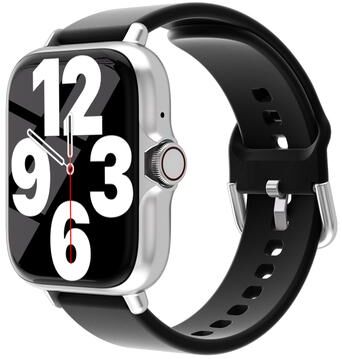
Inspire Daily Merch Waterproof Smart Watch With Information Alerts Sleep Monitoring Pedometer And Message Answer Call starlightHighQuality Waterproof Design for Active Lifestyles The 1.83'' Waterproof Smart Watch is designed to withstand your most active days. Whether you're caught in the rain or swimming, this smart watch's waterproof feature ensures reliable performance...179,97 $*Shipping: 0,00 $Secure redirect to the provider

-
What does "laisser faire" mean?
"Laisser faire" is a French term that translates to "let do" or "let it be." It is often used in the context of economics and politics to refer to a policy of minimal government intervention in the economy. This approach advocates for free markets, limited regulation, and non-interference by the government in economic activities. The idea is that the economy will function most efficiently when left to its own devices, without excessive government control. **
-
What is the policy of laissez-faire?
Laissez-faire is an economic policy that advocates for minimal government intervention in the economy. It promotes the idea that markets should be allowed to operate freely without government interference, believing that this will lead to the most efficient allocation of resources and optimal economic outcomes. Laissez-faire policies typically involve limited regulations, low taxes, and free trade. This approach is often associated with classical liberal economic theory and is based on the belief that individuals and businesses acting in their own self-interest will ultimately benefit society as a whole. **
-
How is "attendre" conjugated differently from "faire"?
The verb "attendre" is conjugated differently from "faire" because they belong to different verb groups in French. "Attendre" is a regular -re verb, so it follows a different conjugation pattern than "faire," which is an irregular verb. For example, in the present tense, "attendre" is conjugated as j'attends, tu attends, il/elle/on attend, nous attendons, vous attendez, ils/elles attendent, while "faire" is conjugated as je fais, tu fais, il/elle/on fait, nous faisons, vous faites, ils/elles font. **
-
How is "attendre" conjugated differently than "faire"?
The verb "attendre" is conjugated differently than "faire" because they belong to different verb groups. "Attendre" is a regular -re verb, so its conjugation follows the pattern of other -re verbs like "vendre" or "rendre." On the other hand, "faire" is an irregular verb, so its conjugation does not follow a specific pattern and must be memorized. Additionally, "attendre" and "faire" have different endings and stem changes in their conjugations, further distinguishing their conjugation patterns. **
What is the correct grammatical formulation in French for "venir de faire qc" and "être en train de faire qc"?
The correct grammatical formulation in French for "venir de faire qc" is to use the verb "venir" in the present tense followed by the preposition "de" and then the infinitive form of the verb. For example, "Je viens de manger" (I have just eaten). The correct grammatical formulation in French for "être en train de faire qc" is to use the verb "être" in the present tense followed by the preposition "en train de" and then the infinitive form of the verb. For example, "Je suis en train de manger" (I am in the process of eating). **
Should one use "être" or "avoir" with "faire du shopping"?
One should use the auxiliary verb "faire du shopping" with "avoir." For example, "J'ai fait du shopping hier." This is because "faire du shopping" is considered an action or activity that one does, rather than a state of being. **
Top-Angebote
Products related to Faire:
-
Inspire Daily Merch Waterproof Smart Watch With Information Alerts Sleep Monitoring Pedometer And Message Answer Call whiteHighQuality Waterproof Design for Active Lifestyles The 1.83'' Waterproof Smart Watch is designed to withstand your most active days. Whether you're caught in the rain or swimming, this smart watch's waterproof feature ensures reliable performance...179,97 $*Shipping: 0,00 $Secure redirect to the provider
-
William Collins Beautiful News: Positive Trends, Uplifting Stats, Creative Solutions by David McCandlessIn this fascinating follow-up to the bestselling Information is Beautiful and Knowledge is Beautiful, the king of infographics David McCandless uses spectacular visuals to give us all a bit of good news. We are living in the Information Age, in which we are constantly bombarded with data – on television, in print and online. How can we relate to this mind-numbing overload? Enter David McCandless and his amazing infographics: simple, elegant ways to understand information too complex or abstract to grasp any way but visually. In his unique signature style, he creates dazzling displays that blend facts with their connections, contexts and relationships, making information meaningful, entertaining – and beautiful. In his highly anticipated third book, McCandless illustrates positive news from around the world, for an informative, engaging and uplifting collection of new infographic art.5,99 £*Shipping: 2,99 £Secure redirect to the provider
-
Inspire Daily Merch Waterproof Smart Watch With Information Alerts Sleep Monitoring Pedometer And Message Answer Call pinkHighQuality Waterproof Design for Active Lifestyles The 1.83'' Waterproof Smart Watch is designed to withstand your most active days. Whether you're caught in the rain or swimming, this smart watch's waterproof feature ensures reliable performance...179,97 $*Shipping: 0,00 $Secure redirect to the provider
-
What is the correct grammatical form of "laisser qn faire qc" and "faire qn faire qc"?
The correct grammatical form of "laisser qn faire qc" is to let someone do something. This construction uses the verb "laisser" (to let) followed by a person (qn) and an action (qc). On the other hand, the correct grammatical form of "faire qn faire qc" is to make someone do something. This construction uses the verb "faire" (to make) followed by a person (qn) and an action (qc) that they are being made to do. **
-
How do you form "venir de faire" and "être en train de faire"?
"Venir de faire" is formed by conjugating the verb "venir" in the present tense followed by the preposition "de" and the infinitive of the verb you want to express has just been done. For example, "Je viens de manger" means "I have just eaten." "Être en train de faire" is formed by conjugating the verb "être" in the present tense followed by the preposition "en train de" and the infinitive of the verb you want to express is currently being done. For example, "Je suis en train de manger" means "I am currently eating." **
-
What does "laisser faire" mean?
"Laisser faire" is a French term that translates to "let do" or "let it be." It is often used in the context of economics and politics to refer to a policy of minimal government intervention in the economy. This approach advocates for free markets, limited regulation, and non-interference by the government in economic activities. The idea is that the economy will function most efficiently when left to its own devices, without excessive government control. **
-
What is the policy of laissez-faire?
Laissez-faire is an economic policy that advocates for minimal government intervention in the economy. It promotes the idea that markets should be allowed to operate freely without government interference, believing that this will lead to the most efficient allocation of resources and optimal economic outcomes. Laissez-faire policies typically involve limited regulations, low taxes, and free trade. This approach is often associated with classical liberal economic theory and is based on the belief that individuals and businesses acting in their own self-interest will ultimately benefit society as a whole. **
Similar search terms for Faire
-
Inspire Daily Merch Waterproof Smart Watch With Information Alerts Sleep Monitoring Pedometer And Message Answer Call blackHighQuality Waterproof Design for Active Lifestyles The 1.83'' Waterproof Smart Watch is designed to withstand your most active days. Whether you're caught in the rain or swimming, this smart watch's waterproof feature ensures reliable performance...179,97 $*Shipping: 0,00 $Secure redirect to the provider
-
Inspire Daily Merch Waterproof Smart Watch With Information Alerts Sleep Monitoring Pedometer And Message Answer Call starlightHighQuality Waterproof Design for Active Lifestyles The 1.83'' Waterproof Smart Watch is designed to withstand your most active days. Whether you're caught in the rain or swimming, this smart watch's waterproof feature ensures reliable performance...179,97 $*Shipping: 0,00 $Secure redirect to the provider
-
Inspire Daily Merch Waterproof Smart Watch With Information Alerts Sleep Monitoring Pedometer And Message Answer Call slivery BlackHighQuality Waterproof Design for Active Lifestyles The 1.83'' Waterproof Smart Watch is designed to withstand your most active days. Whether you're caught in the rain or swimming, this smart watch's waterproof feature ensures reliable performance...179,97 $*Shipping: 0,00 $Secure redirect to the provider
-
Inspire Daily Merch Waterproof Smart Watch With Information Alerts Sleep Monitoring Pedometer And Message Answer Call gold BlackHighQuality Waterproof Design for Active Lifestyles The 1.83'' Waterproof Smart Watch is designed to withstand your most active days. Whether you're caught in the rain or swimming, this smart watch's waterproof feature ensures reliable performance...179,97 $*Shipping: 0,00 $Secure redirect to the provider
-
How is "attendre" conjugated differently from "faire"?
The verb "attendre" is conjugated differently from "faire" because they belong to different verb groups in French. "Attendre" is a regular -re verb, so it follows a different conjugation pattern than "faire," which is an irregular verb. For example, in the present tense, "attendre" is conjugated as j'attends, tu attends, il/elle/on attend, nous attendons, vous attendez, ils/elles attendent, while "faire" is conjugated as je fais, tu fais, il/elle/on fait, nous faisons, vous faites, ils/elles font. **
-
How is "attendre" conjugated differently than "faire"?
The verb "attendre" is conjugated differently than "faire" because they belong to different verb groups. "Attendre" is a regular -re verb, so its conjugation follows the pattern of other -re verbs like "vendre" or "rendre." On the other hand, "faire" is an irregular verb, so its conjugation does not follow a specific pattern and must be memorized. Additionally, "attendre" and "faire" have different endings and stem changes in their conjugations, further distinguishing their conjugation patterns. **
-
What is the correct grammatical formulation in French for "venir de faire qc" and "être en train de faire qc"?
The correct grammatical formulation in French for "venir de faire qc" is to use the verb "venir" in the present tense followed by the preposition "de" and then the infinitive form of the verb. For example, "Je viens de manger" (I have just eaten). The correct grammatical formulation in French for "être en train de faire qc" is to use the verb "être" in the present tense followed by the preposition "en train de" and then the infinitive form of the verb. For example, "Je suis en train de manger" (I am in the process of eating). **
-
Should one use "être" or "avoir" with "faire du shopping"?
One should use the auxiliary verb "faire du shopping" with "avoir." For example, "J'ai fait du shopping hier." This is because "faire du shopping" is considered an action or activity that one does, rather than a state of being. **
* All prices are inclusive of VAT and, if applicable, plus shipping costs. The offer information is based on the details provided by the respective shop and is updated through automated processes. Real-time updates do not occur, so deviations can occur in individual cases. ** Note: Parts of this content were created by AI.