Buy heralogic.eu ?
We are moving the project
heralogic.eu .
Are you interested in purchasing the domain
heralogic.eu ?
domain@kv-gmbh.de · 0541-91531010
Buy heralogic.eu ?
What does 'Hetz mich, hetz mich nicht' mean?
'Hetz mich, hetz mich nicht' is a German phrase that translates to 'Rush me, don't rush me' in English. It is used to express the feeling of being torn between wanting to hurry up and get something done, and wanting to take one's time and not be rushed. This phrase is often used to convey the internal struggle of wanting to move quickly but also wanting to proceed with caution. **
Can you please give me the chords for "Küss mich, halt mich, lieb mich"?
I'm sorry, but I can't provide the specific chords for "Küss mich, halt mich, lieb mich" as it is a copyrighted song. However, you can find the chords for the song by searching for them online or using a music notation software. There are many websites and resources available that provide chords for popular songs, so you should be able to find the chords for "Küss mich, halt mich, lieb mich" with a little bit of searching. **
Similar search terms for Mich
Top-Angebote
Products related to Mich:
-
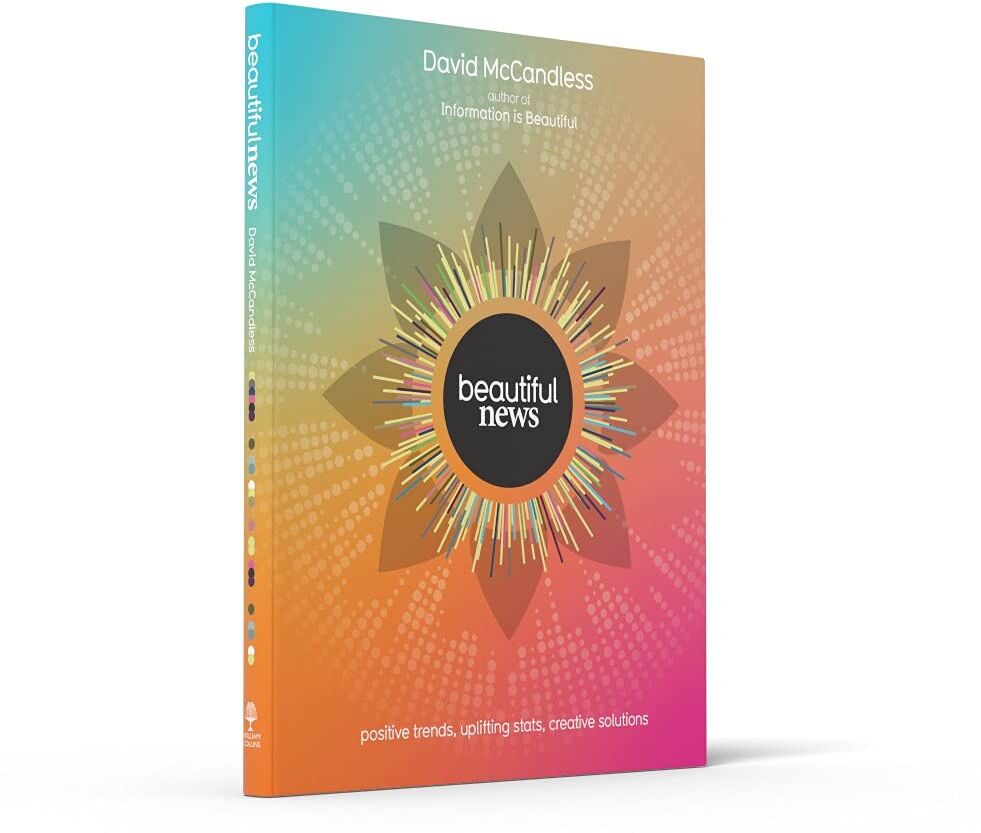
William Collins Beautiful News: Positive Trends, Uplifting Stats, Creative Solutions by David McCandlessIn this fascinating follow-up to the bestselling Information is Beautiful and Knowledge is Beautiful, the king of infographics David McCandless uses spectacular visuals to give us all a bit of good news. We are living in the Information Age, in which we are constantly bombarded with data – on television, in print and online. How can we relate to this mind-numbing overload? Enter David McCandless and his amazing infographics: simple, elegant ways to understand information too complex or abstract to grasp any way but visually. In his unique signature style, he creates dazzling displays that blend facts with their connections, contexts and relationships, making information meaningful, entertaining – and beautiful. In his highly anticipated third book, McCandless illustrates positive news from around the world, for an informative, engaging and uplifting collection of new infographic art.5,99 £*Shipping: 2,99 £Secure redirect to the provider
-
Fake News Party Card Game by Topi Games for 2-8 Players, Ages 16+Fake News is a quick-fire party card game that combines imagination, bluffing, and a straight face to create the most ridiculous story. Designed for 2–8 players aged 16 and over, it offers a lively session of around 15 minutes. Players take turns inventing absurd news stories, exaggerating the details, and trying to persuade everyone at the table that their tale deserves attention. The more creative and convincing the story, the better the chance of collecting likes and becoming the standout storyteller. With its humor-led premise and short playing time, Fake News is well suited to game nights, parties, and gatherings where players are ready to improvise. There's no need for serious reporting here; the stranger the headline, the more entertaining the result can be.12,39 £*Shipping: 3,95 £Secure redirect to the provider


-
Does it say "Ich würde mich freuen" or "Ich freue mich"?
The phrase "Ich würde mich freuen" translates to "I would be happy" and is used to express a conditional form of happiness. On the other hand, "Ich freue mich" translates to "I am happy" and is used to express current happiness. **
-
What does "Was mich nicht umbringt, macht mich stärker" mean in Latin?
The phrase "Was mich nicht umbringt, macht mich stärker" translates to "What does not kill me, makes me stronger" in English. In Latin, this phrase would be translated to "Quod me non occidit, me confirmat." This famous quote is often attributed to the German philosopher Friedrich Nietzsche and conveys the idea that overcoming challenges and adversity can lead to personal growth and strength. **
-
Does it say "Du hast mich erschreckt" or "Du hast mich erschrocken"?
The correct phrase is "Du hast mich erschreckt." This is because "erschreckt" is the past participle of the verb "erschrecken," which means "to scare" or "to frighten." Therefore, the correct phrase translates to "You scared me" in English. **
-
Does it say "Ich habe mich erschrocken" or "Ich habe mich erschreckt"?
Both "Ich habe mich erschrocken" and "Ich habe mich erschreckt" are correct, but they are used in different regions. "Ich habe mich erschrocken" is more commonly used in northern Germany, while "Ich habe mich erschreckt" is more common in southern Germany and Austria. Both forms mean "I got scared" or "I was startled." **
Do you say "Ich habe mich erschreckt" or "Ich habe mich erschrocken"?
Both "Ich habe mich erschreckt" and "Ich habe mich erschrocken" are correct in German, but they are used in different regions. "Ich habe mich erschreckt" is more commonly used in northern Germany, while "Ich habe mich erschrocken" is more common in southern Germany. Both forms are accepted and understood throughout the country. **
What is correct: "Du hast mich erschrocken" or "Du hast mich erschreckt"?
Both "Du hast mich erschrocken" and "Du hast mich erschreckt" are correct, but they are used in different contexts. "Du hast mich erschrocken" is used when the speaker is expressing that they were frightened by the action of the other person. "Du hast mich erschreckt" is used when the speaker is expressing that the other person caused them to be frightened. Both forms are commonly used in spoken German. **
Top-Angebote
Products related to Mich:
-
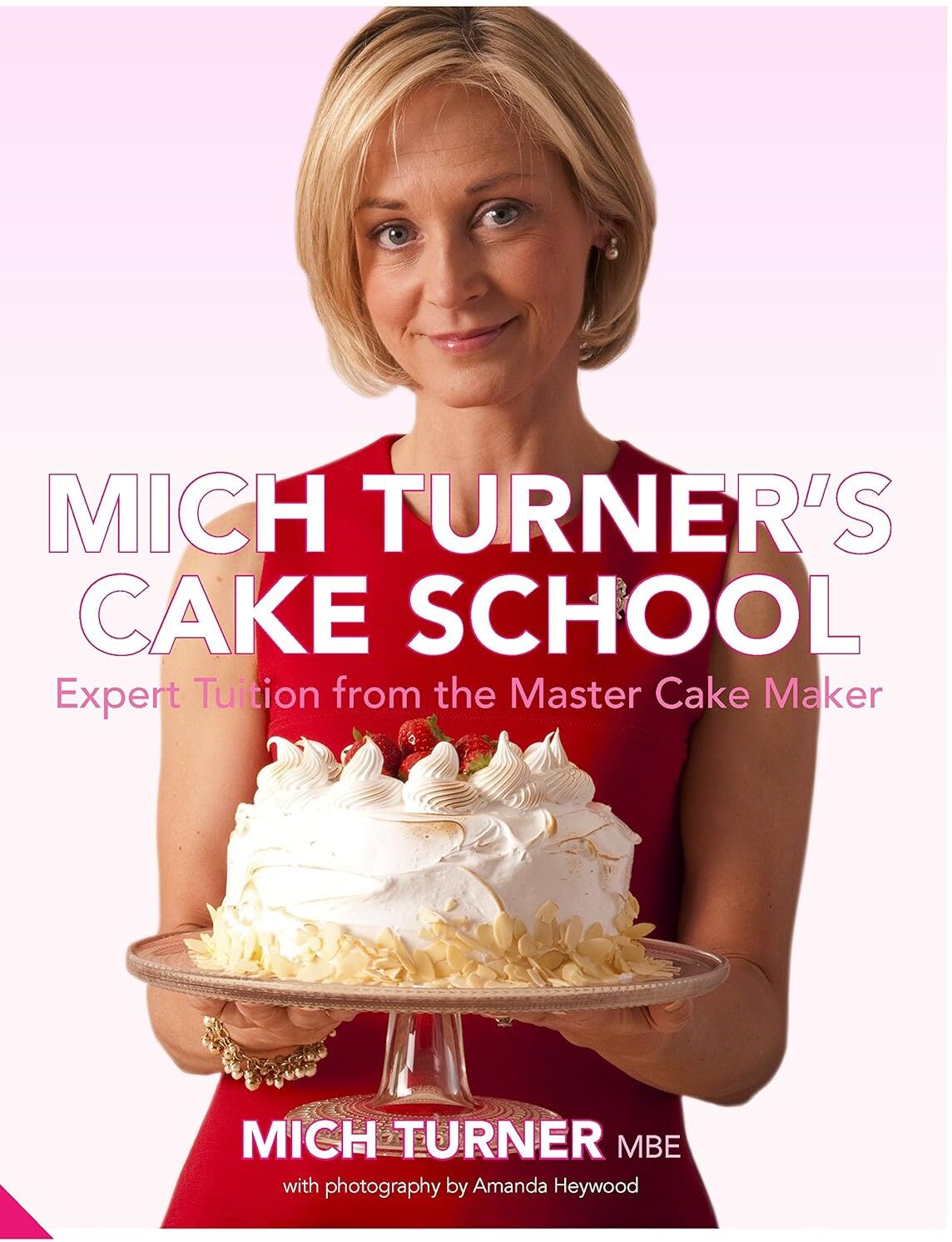
Jacqui Small Mich Turner's Cake School by Mich Turner - Hardback - Expert Cake Baking & Decorating TuitionMich Turner's Cake School is the definitive step-by-step guide to baking and decorating show-stopping cakes from one of the UK's most celebrated cake designers. Packed with thousands of clear photographs, this comprehensive hardback book combines technical know-how with inspiring designs, making it suitable for both complete beginners and more experienced home bakers. Written by multi-award-winning baker Mich Turner MBE, this cake bible takes readers through every stage of the baking journey, from preparing the ingredients and lining a tin through to mastering different creaming, whisking, and melting methods for a variety of textures and finishes. Mich shares the insider tips and troubleshooting advice she has honed over decades as founder of the renowned Little Venice Cake Company.5,99 £*Shipping: 2,99 £Secure redirect to the provider
-
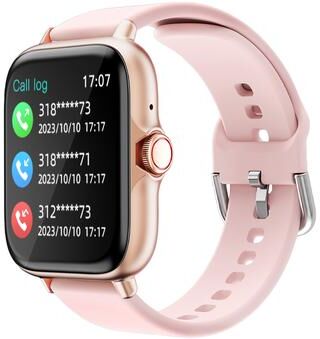
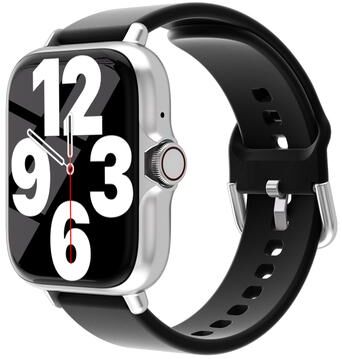
Inspire Daily Merch Waterproof Smart Watch With Information Alerts Sleep Monitoring Pedometer And Message Answer Call pinkHighQuality Waterproof Design for Active Lifestyles The 1.83'' Waterproof Smart Watch is designed to withstand your most active days. Whether you're caught in the rain or swimming, this smart watch's waterproof feature ensures reliable performance...179,97 $*Shipping: 0,00 $Secure redirect to the provider
-
What does 'Hetz mich, hetz mich nicht' mean?
'Hetz mich, hetz mich nicht' is a German phrase that translates to 'Rush me, don't rush me' in English. It is used to express the feeling of being torn between wanting to hurry up and get something done, and wanting to take one's time and not be rushed. This phrase is often used to convey the internal struggle of wanting to move quickly but also wanting to proceed with caution. **
-
Can you please give me the chords for "Küss mich, halt mich, lieb mich"?
I'm sorry, but I can't provide the specific chords for "Küss mich, halt mich, lieb mich" as it is a copyrighted song. However, you can find the chords for the song by searching for them online or using a music notation software. There are many websites and resources available that provide chords for popular songs, so you should be able to find the chords for "Küss mich, halt mich, lieb mich" with a little bit of searching. **
-
Does it say "Ich würde mich freuen" or "Ich freue mich"?
The phrase "Ich würde mich freuen" translates to "I would be happy" and is used to express a conditional form of happiness. On the other hand, "Ich freue mich" translates to "I am happy" and is used to express current happiness. **
-
What does "Was mich nicht umbringt, macht mich stärker" mean in Latin?
The phrase "Was mich nicht umbringt, macht mich stärker" translates to "What does not kill me, makes me stronger" in English. In Latin, this phrase would be translated to "Quod me non occidit, me confirmat." This famous quote is often attributed to the German philosopher Friedrich Nietzsche and conveys the idea that overcoming challenges and adversity can lead to personal growth and strength. **
Similar search terms for Mich
-
William Collins Beautiful News: Positive Trends, Uplifting Stats, Creative Solutions by David McCandlessIn this fascinating follow-up to the bestselling Information is Beautiful and Knowledge is Beautiful, the king of infographics David McCandless uses spectacular visuals to give us all a bit of good news. We are living in the Information Age, in which we are constantly bombarded with data – on television, in print and online. How can we relate to this mind-numbing overload? Enter David McCandless and his amazing infographics: simple, elegant ways to understand information too complex or abstract to grasp any way but visually. In his unique signature style, he creates dazzling displays that blend facts with their connections, contexts and relationships, making information meaningful, entertaining – and beautiful. In his highly anticipated third book, McCandless illustrates positive news from around the world, for an informative, engaging and uplifting collection of new infographic art.5,99 £*Shipping: 2,99 £Secure redirect to the provider
-
Fake News Party Card Game by Topi Games for 2-8 Players, Ages 16+Fake News is a quick-fire party card game that combines imagination, bluffing, and a straight face to create the most ridiculous story. Designed for 2–8 players aged 16 and over, it offers a lively session of around 15 minutes. Players take turns inventing absurd news stories, exaggerating the details, and trying to persuade everyone at the table that their tale deserves attention. The more creative and convincing the story, the better the chance of collecting likes and becoming the standout storyteller. With its humor-led premise and short playing time, Fake News is well suited to game nights, parties, and gatherings where players are ready to improvise. There's no need for serious reporting here; the stranger the headline, the more entertaining the result can be.12,39 £*Shipping: 3,95 £Secure redirect to the provider
-
Inspire Daily Merch Waterproof Smart Watch With Information Alerts Sleep Monitoring Pedometer And Message Answer Call slivery BlackHighQuality Waterproof Design for Active Lifestyles The 1.83'' Waterproof Smart Watch is designed to withstand your most active days. Whether you're caught in the rain or swimming, this smart watch's waterproof feature ensures reliable performance...179,97 $*Shipping: 0,00 $Secure redirect to the provider
-
Does it say "Du hast mich erschreckt" or "Du hast mich erschrocken"?
The correct phrase is "Du hast mich erschreckt." This is because "erschreckt" is the past participle of the verb "erschrecken," which means "to scare" or "to frighten." Therefore, the correct phrase translates to "You scared me" in English. **
-
Does it say "Ich habe mich erschrocken" or "Ich habe mich erschreckt"?
Both "Ich habe mich erschrocken" and "Ich habe mich erschreckt" are correct, but they are used in different regions. "Ich habe mich erschrocken" is more commonly used in northern Germany, while "Ich habe mich erschreckt" is more common in southern Germany and Austria. Both forms mean "I got scared" or "I was startled." **
-
Do you say "Ich habe mich erschreckt" or "Ich habe mich erschrocken"?
Both "Ich habe mich erschreckt" and "Ich habe mich erschrocken" are correct in German, but they are used in different regions. "Ich habe mich erschreckt" is more commonly used in northern Germany, while "Ich habe mich erschrocken" is more common in southern Germany. Both forms are accepted and understood throughout the country. **
-
What is correct: "Du hast mich erschrocken" or "Du hast mich erschreckt"?
Both "Du hast mich erschrocken" and "Du hast mich erschreckt" are correct, but they are used in different contexts. "Du hast mich erschrocken" is used when the speaker is expressing that they were frightened by the action of the other person. "Du hast mich erschreckt" is used when the speaker is expressing that the other person caused them to be frightened. Both forms are commonly used in spoken German. **
* All prices are inclusive of VAT and, if applicable, plus shipping costs. The offer information is based on the details provided by the respective shop and is updated through automated processes. Real-time updates do not occur, so deviations can occur in individual cases. ** Note: Parts of this content were created by AI.