Buy heralogic.eu ?
We are moving the project
heralogic.eu .
Are you interested in purchasing the domain
heralogic.eu ?
domain@kv-gmbh.de · 0541-91531010
Buy heralogic.eu ?
Where can one find the age of the Henkell Blanc de Blanc sparkling wine on the bottle?
The age of the Henkell Blanc de Blanc sparkling wine can be found on the back label of the bottle. The back label typically includes information about the wine's vintage, which indicates the year the grapes were harvested and the wine was made. This can give you an idea of the age of the wine. Additionally, some bottles may also include a "bottled on" or "disgorgement" date, which can provide more specific information about the age of the wine. **
When do we use du, de la, de l', de and des in French?
In French, "du" is used before masculine singular nouns, "de la" is used before feminine singular nouns, "de l'" is used before singular nouns that begin with a vowel or silent "h", "de" is used before masculine or feminine singular nouns that are preceded by a specific quantity or expression of quantity, and "des" is used before plural nouns. These articles indicate the partitive or indefinite nature of the noun they precede, and they are used to express the idea of some, any, or a part of something. **
Similar search terms for Blanc-Domaine-de-l
Top-Angebote
Products related to Blanc-Domaine-de-l:
-
Menetou-Salon 'Lune Blanc' Domaine de Loye 2023The Menetou-Salon 'Lune Blanc' from Domaine de Loye is a Sauvignon Blanc from the Loire characterized by fresh citrus sensations. Located just southwest of the more renowned appellation of Sancerre, the Menetou-Salon AOC includes white, rosé, and red wines produced with Pinot Noir and Sauvignon Blanc grapes, with over 80% of the total vineyard area dedicated to the latter variety. Although Menetou-Salon wines have only recently gained acclaim, partly due to more accessible prices compared to nearby Sancerre, the viticultural tradition in the area is ancient. In fact, documents attest to the presence of vines in the area since the mid-15th century, while viticulture was likely practiced in local monasteries as early as the 11th century. Domaine de Loye's 'Lune Blanc' Menetou-Salon is made exclusively from Sauvignon Blanc grapes grown on clay and limestone-rich hillside soils, characterized by excellent exposure. In the winery, the grapes are vinified white through gentle pressing and alcoholic fermentation in stainless steel tanks, the same containers used for several months of maturation on fine lees before bottling and final marketing. The 'Lune Blanc' Menetou-Salon Domaine de Loye expresses a pale and brilliant straw yellow color. The aromatic profile is characterized by citrus aromas such as lemon and orange, as well as fruity notes of peach and plum. Hints of honey and subtle vegetal undertones complete the olfactory profile. On the palate, roundness and warmth are neatly balanced by lively freshness and a pleasant saline-mineral trail. The finish brings back the citrus sensations perceived earlier on the nose.21,00 £*Shipping: 48,00 £Secure redirect to the provider
-
Gaillac Blanc 'Pierres Blanches' Domaine de Brin 2023Il Gaillac Blanc ‘Pierres Blanches’ di Domaine de Brin si configura come un’etichetta vivace e spontanea fortemente legata al territorio di Gaillac, nel Sud Ouest francese. Si tratta di un blend dei vitigni locali a bacca bianca Mauzac e Len de l’El. La prima uva è coltivata da secoli a nord della catena dei Pirenei e deve il suo nome all’omonima cittadina dell’Occitania. Anche il Len de l’El è un’antica varietà del territorio di Gaillac e il suo nome deriva da un’espressione del dialetto occitano traducibile in “lontano dagli occhi”, in riferimento al fatto che i grappoli hanno un lungo peduncolo che li porta a essere più distanti dal germoglio fruttifero rispetto ad altri vitigni. Domaine de Brin ‘Pierres Blanches’ Gaillac Blanc viene elaborato a partire da un assemblaggio di Mauzac (65%) e Len de l’El (35%), coltivati in accordo ai principi dell’agricoltura biologica. I ceppi, localizzati a 285 metri sul livello del mare, sono esposti a sud e poggiano su suoli di matrice argilloso-calcarea, particolarmente ricchi di sassi. La raccolta è eseguita interamente a mano rispettando la maturazione ottimale delle due varietà e i grappoli vengono quindi pressati interi. Il mosto così ricavato viene lasciato decantare a freddo in maniera spontanea e va successivamente incontro a fermentazione alcolica con soli lieviti indigeni. Una volta completata spontaneamente anche la fermentazione malolattica la massa matura circa un anno sulle fecce fini in barrique di rovere di più passaggi. Lungo tutto il processo di vinificazione e affinamento il liquido non è sottoposto ad alcuna operazione di chiarifica. Il ‘Pierres Blanches’ Domaine de Brin Gaillac Blanc ha un colore giallo paglierino brillante. Richiami di frutta matura, mela cotogna, rabarbaro e fiori caratterizzano l’olfatto, accompagnati da note di crosta di pane. Gusto vibrante, morbido e dinamico, munito di viva freschezza e persistente intensità salina.21,00 £*Shipping: 48,00 £Secure redirect to the provider



-
When do we use du, de la, de l', and des?
We use "du" when referring to masculine singular nouns, "de la" when referring to feminine singular nouns, "de l'" when referring to singular nouns starting with a vowel or silent 'h', and "des" when referring to plural nouns. These articles are partitive articles used to indicate an unspecified quantity or part of something. For example, "du pain" (some bread), "de la salade" (some salad), "de l'eau" (some water), and "des fruits" (some fruits). **
-
When do you use du, de la, de l' and des?
You use "du" when referring to masculine singular nouns, "de la" when referring to feminine singular nouns, "de l'" when referring to singular nouns that start with a vowel or silent "h", and "des" when referring to plural nouns. These are partitive articles used to indicate an unspecified quantity or some of something. For example, "du pain" (some bread), "de la confiture" (some jam), "de l'eau" (some water), and "des fruits" (some fruits). **
-
When do you use du, de la, or de l' in French?
In French, "du" is used before masculine singular nouns, "de la" is used before feminine singular nouns, and "de l'" is used before singular nouns that begin with a vowel or a silent "h." These forms of the preposition "de" indicate possession or quantity. For example, "du pain" (some bread), "de la confiture" (some jam), and "de l'eau" (some water). **
-
What are the explanations for the use of de, du, la, de l' and des in 7th grade French?
In 7th grade French, students learn to use "de," "du," "la," "de l'," and "des" to indicate possession, quantity, and partitive articles. "De" is used to show possession or origin, while "du" and "de la" are used to indicate a specific quantity of something. "De l'" is used before a singular noun starting with a vowel or silent "h," and "des" is used before plural nouns. These articles help students understand how to properly express ownership and quantity in French. **

Which TV channels can be received at Domaine Long Pré?
At Domaine Long Pré, guests can receive a variety of TV channels, including popular international channels such as CNN, BBC, and Eurosport. Additionally, there are channels available in different languages, catering to the diverse needs of the guests. The wide selection of TV channels ensures that guests can stay updated with news, sports, and entertainment during their stay at Domaine Long Pré. **
What is a Berger Blanc Suisse?
A Berger Blanc Suisse is a breed of dog that originated in Switzerland. It is a medium to large-sized dog known for its striking white coat and gentle, friendly demeanor. They are often used as therapy dogs, search and rescue dogs, and as family pets due to their loyal and affectionate nature. Berger Blanc Suisse dogs are intelligent, easy to train, and make great companions for active families. **
Top-Angebote
Products related to Blanc-Domaine-de-l:
-
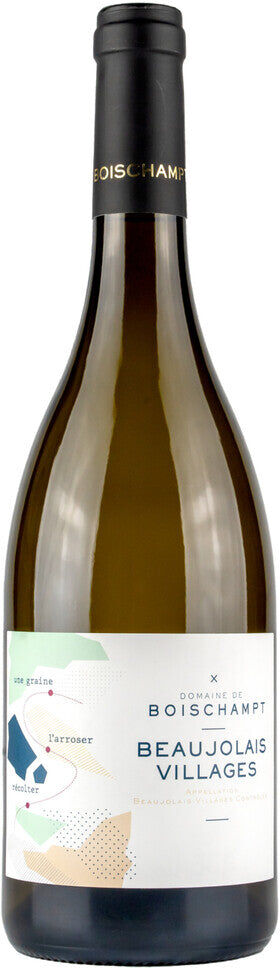
Beaujolais Jullié Blanc Domaine de Boischampt 2024Il Beaujolais Jullié Blanc del Domaine de Boischampt è uno Chardonnay in purezza dall’animo fresco e bilanciato, frutto di un approccio agronomico ed enologico genuino. Il Domaine, le cui origini risalgono al lontano XVII secolo, è stato rivitalizzato nel 2018 da Antoine Romero, Thibaud Baudin e Antonie Baudin, affiatato team che dopo aver rilevato la tenuta ne ha ampliato la superficie di vigneti convertendola contemporaneamente all’agricoltura biologica certificata. In particolare, Antoine riveste il ruolo di manager generale, Thibaud è responsabile della conduzione agronomica e delle vinificazioni mentre Antonie è coinvolta nella parte commerciale e di comunicazione.Domaine de Boischampt Beaujolais Jullié Blanc è un 100% Chardonnay da uve coltivate seguendo i principi dell’agricoltura biologica in un appezzamento di poco più di un ettaro localizzato all’interno del comune di Jullié, nel lieu-dit di “Les 4 Cerisiers”. Qui, il suolo è profondo, costituito da pietre blu alterate, mentre l’esposizione è a pieno settentrione. A seguito della raccolta manuale in cassette i grappoli vengono vinificati in bianco tramite fermentazione alcolica spontanea a bassa temperatura e conseguente maturazione di 6-12 mesi in botti di rovere. Seguono l’imbottigliamento e, dopo un breve riposo in vetro, la commercializzazione finale.Alla vista, il Beaujolais Jullié Blanc di Domaine de Boischampt mostra una colorazione giallo paglierino brillante. Il bouquet aromatico esprime delicati sentori di pesca gialla, fiori bianchi e miele, rinfrescati da gradevoli cenni agrumati. In bocca risulta fresco e allo stesso tempo rotondo, con una chiusura scorrevole e bilanciata che richiama leggere sensazioni aromatiche. Questo Chardonnay rappresenta un abbinamento eccellente a formaggi di media stagionatura, piatti di mare o primi piatti di terra.12,00 £*Shipping: 48,00 £Secure redirect to the provider
-
Menetou-Salon 'Lune Blanc' Domaine de Loye 2023The Menetou-Salon 'Lune Blanc' from Domaine de Loye is a Sauvignon Blanc from the Loire characterized by fresh citrus sensations. Located just southwest of the more renowned appellation of Sancerre, the Menetou-Salon AOC includes white, rosé, and red wines produced with Pinot Noir and Sauvignon Blanc grapes, with over 80% of the total vineyard area dedicated to the latter variety. Although Menetou-Salon wines have only recently gained acclaim, partly due to more accessible prices compared to nearby Sancerre, the viticultural tradition in the area is ancient. In fact, documents attest to the presence of vines in the area since the mid-15th century, while viticulture was likely practiced in local monasteries as early as the 11th century. Domaine de Loye's 'Lune Blanc' Menetou-Salon is made exclusively from Sauvignon Blanc grapes grown on clay and limestone-rich hillside soils, characterized by excellent exposure. In the winery, the grapes are vinified white through gentle pressing and alcoholic fermentation in stainless steel tanks, the same containers used for several months of maturation on fine lees before bottling and final marketing. The 'Lune Blanc' Menetou-Salon Domaine de Loye expresses a pale and brilliant straw yellow color. The aromatic profile is characterized by citrus aromas such as lemon and orange, as well as fruity notes of peach and plum. Hints of honey and subtle vegetal undertones complete the olfactory profile. On the palate, roundness and warmth are neatly balanced by lively freshness and a pleasant saline-mineral trail. The finish brings back the citrus sensations perceived earlier on the nose.21,00 £*Shipping: 48,00 £Secure redirect to the provider
-
Gaillac Blanc 'Pierres Blanches' Domaine de Brin 2023Il Gaillac Blanc ‘Pierres Blanches’ di Domaine de Brin si configura come un’etichetta vivace e spontanea fortemente legata al territorio di Gaillac, nel Sud Ouest francese. Si tratta di un blend dei vitigni locali a bacca bianca Mauzac e Len de l’El. La prima uva è coltivata da secoli a nord della catena dei Pirenei e deve il suo nome all’omonima cittadina dell’Occitania. Anche il Len de l’El è un’antica varietà del territorio di Gaillac e il suo nome deriva da un’espressione del dialetto occitano traducibile in “lontano dagli occhi”, in riferimento al fatto che i grappoli hanno un lungo peduncolo che li porta a essere più distanti dal germoglio fruttifero rispetto ad altri vitigni. Domaine de Brin ‘Pierres Blanches’ Gaillac Blanc viene elaborato a partire da un assemblaggio di Mauzac (65%) e Len de l’El (35%), coltivati in accordo ai principi dell’agricoltura biologica. I ceppi, localizzati a 285 metri sul livello del mare, sono esposti a sud e poggiano su suoli di matrice argilloso-calcarea, particolarmente ricchi di sassi. La raccolta è eseguita interamente a mano rispettando la maturazione ottimale delle due varietà e i grappoli vengono quindi pressati interi. Il mosto così ricavato viene lasciato decantare a freddo in maniera spontanea e va successivamente incontro a fermentazione alcolica con soli lieviti indigeni. Una volta completata spontaneamente anche la fermentazione malolattica la massa matura circa un anno sulle fecce fini in barrique di rovere di più passaggi. Lungo tutto il processo di vinificazione e affinamento il liquido non è sottoposto ad alcuna operazione di chiarifica. Il ‘Pierres Blanches’ Domaine de Brin Gaillac Blanc ha un colore giallo paglierino brillante. Richiami di frutta matura, mela cotogna, rabarbaro e fiori caratterizzano l’olfatto, accompagnati da note di crosta di pane. Gusto vibrante, morbido e dinamico, munito di viva freschezza e persistente intensità salina.21,00 £*Shipping: 48,00 £Secure redirect to the provider
-
Where can one find the age of the Henkell Blanc de Blanc sparkling wine on the bottle?
The age of the Henkell Blanc de Blanc sparkling wine can be found on the back label of the bottle. The back label typically includes information about the wine's vintage, which indicates the year the grapes were harvested and the wine was made. This can give you an idea of the age of the wine. Additionally, some bottles may also include a "bottled on" or "disgorgement" date, which can provide more specific information about the age of the wine. **
-
When do we use du, de la, de l', de and des in French?
In French, "du" is used before masculine singular nouns, "de la" is used before feminine singular nouns, "de l'" is used before singular nouns that begin with a vowel or silent "h", "de" is used before masculine or feminine singular nouns that are preceded by a specific quantity or expression of quantity, and "des" is used before plural nouns. These articles indicate the partitive or indefinite nature of the noun they precede, and they are used to express the idea of some, any, or a part of something. **
-
When do we use du, de la, de l', and des?
We use "du" when referring to masculine singular nouns, "de la" when referring to feminine singular nouns, "de l'" when referring to singular nouns starting with a vowel or silent 'h', and "des" when referring to plural nouns. These articles are partitive articles used to indicate an unspecified quantity or part of something. For example, "du pain" (some bread), "de la salade" (some salad), "de l'eau" (some water), and "des fruits" (some fruits). **
-
When do you use du, de la, de l' and des?
You use "du" when referring to masculine singular nouns, "de la" when referring to feminine singular nouns, "de l'" when referring to singular nouns that start with a vowel or silent "h", and "des" when referring to plural nouns. These are partitive articles used to indicate an unspecified quantity or some of something. For example, "du pain" (some bread), "de la confiture" (some jam), "de l'eau" (some water), and "des fruits" (some fruits). **
Similar search terms for Blanc-Domaine-de-l
-
When do you use du, de la, or de l' in French?
In French, "du" is used before masculine singular nouns, "de la" is used before feminine singular nouns, and "de l'" is used before singular nouns that begin with a vowel or a silent "h." These forms of the preposition "de" indicate possession or quantity. For example, "du pain" (some bread), "de la confiture" (some jam), and "de l'eau" (some water). **
-
What are the explanations for the use of de, du, la, de l' and des in 7th grade French?
In 7th grade French, students learn to use "de," "du," "la," "de l'," and "des" to indicate possession, quantity, and partitive articles. "De" is used to show possession or origin, while "du" and "de la" are used to indicate a specific quantity of something. "De l'" is used before a singular noun starting with a vowel or silent "h," and "des" is used before plural nouns. These articles help students understand how to properly express ownership and quantity in French. **
-
Which TV channels can be received at Domaine Long Pré?
At Domaine Long Pré, guests can receive a variety of TV channels, including popular international channels such as CNN, BBC, and Eurosport. Additionally, there are channels available in different languages, catering to the diverse needs of the guests. The wide selection of TV channels ensures that guests can stay updated with news, sports, and entertainment during their stay at Domaine Long Pré. **
-
What is a Berger Blanc Suisse?
A Berger Blanc Suisse is a breed of dog that originated in Switzerland. It is a medium to large-sized dog known for its striking white coat and gentle, friendly demeanor. They are often used as therapy dogs, search and rescue dogs, and as family pets due to their loyal and affectionate nature. Berger Blanc Suisse dogs are intelligent, easy to train, and make great companions for active families. **
* All prices are inclusive of VAT and, if applicable, plus shipping costs. The offer information is based on the details provided by the respective shop and is updated through automated processes. Real-time updates do not occur, so deviations can occur in individual cases. ** Note: Parts of this content were created by AI.