Buy heralogic.eu ?
We are moving the project
heralogic.eu .
Are you interested in purchasing the domain
heralogic.eu ?
domain@kv-gmbh.de · 0541-91531010
Buy heralogic.eu ?
What is a loose confederation in relation to the Confederation of the USA?
A loose confederation is a system of government where individual states or entities retain a high degree of independence and sovereignty, while also agreeing to cooperate on certain matters for the common good. The Confederation of the USA, also known as the Articles of Confederation, was the first constitution of the United States, which established a loose confederation of states with a weak central government. Under the Articles of Confederation, the states retained most of their sovereignty and independence, while the central government had limited powers, such as conducting foreign affairs and managing the military. This loose confederation ultimately proved to be ineffective, leading to the adoption of the more centralized Constitution in 1789. **
Instead of reunification, Germany confederation?
Instead of reunification, Germany confederation would involve the country remaining as a loose association of states rather than becoming a single unified nation. This could potentially allow for greater autonomy for the individual states within Germany while still maintaining a level of cooperation and coordination at the federal level. However, it could also lead to challenges in terms of decision-making and coordination among the states, as well as potential disparities in economic development and resources. Ultimately, whether reunification or confederation is the best path for Germany would depend on the specific needs and desires of the German people and their leaders. **


Similar search terms for Confederation
Top-Angebote
Products related to Confederation:
-
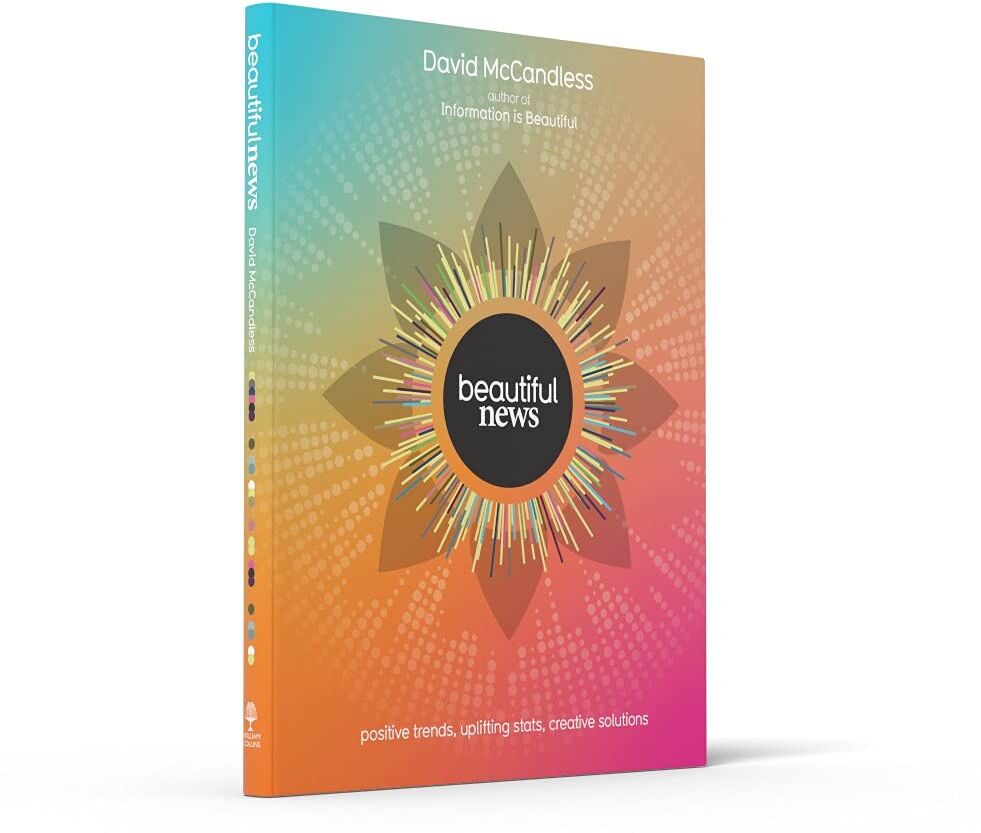
William Collins Beautiful News: Positive Trends, Uplifting Stats, Creative Solutions by David McCandlessIn this fascinating follow-up to the bestselling Information is Beautiful and Knowledge is Beautiful, the king of infographics David McCandless uses spectacular visuals to give us all a bit of good news. We are living in the Information Age, in which we are constantly bombarded with data – on television, in print and online. How can we relate to this mind-numbing overload? Enter David McCandless and his amazing infographics: simple, elegant ways to understand information too complex or abstract to grasp any way but visually. In his unique signature style, he creates dazzling displays that blend facts with their connections, contexts and relationships, making information meaningful, entertaining – and beautiful. In his highly anticipated third book, McCandless illustrates positive news from around the world, for an informative, engaging and uplifting collection of new infographic art.5,99 £*Shipping: 2,99 £Secure redirect to the provider
-
Fake News Party Card Game by Topi Games for 2-8 Players, Ages 16+Fake News is a quick-fire party card game that combines imagination, bluffing, and a straight face to create the most ridiculous story. Designed for 2–8 players aged 16 and over, it offers a lively session of around 15 minutes. Players take turns inventing absurd news stories, exaggerating the details, and trying to persuade everyone at the table that their tale deserves attention. The more creative and convincing the story, the better the chance of collecting likes and becoming the standout storyteller. With its humor-led premise and short playing time, Fake News is well suited to game nights, parties, and gatherings where players are ready to improvise. There's no need for serious reporting here; the stranger the headline, the more entertaining the result can be.12,39 £*Shipping: 3,95 £Secure redirect to the provider
-
eufy Water and Freeze Sensor with Remote Alerts WhiteInstant Notifications*: Protect your home from leaks, water damage, and damage from freezing temperatures. Get notifications if water is detected or if the temperature drops below freezing. East to Set Up: Just place it anywhere you want to detect...34,99 $*Shipping: 0,00 $Secure redirect to the provider



-
What was the German Confederation in 1815?
The German Confederation was a loose association of 39 German states that was established in 1815 after the defeat of Napoleon. It was created as a response to the Napoleonic Wars and the Congress of Vienna, with the goal of maintaining the balance of power in Europe. The Confederation was led by Austria and Prussia and was intended to provide a framework for cooperation and mutual defense among the German states. However, it was a weak and decentralized entity, and its inability to address the growing nationalist sentiments and liberal movements within the German states eventually led to its dissolution in 1866. **
-
What is the North German Confederation in Victoria 2?
The North German Confederation in Victoria 2 is a political entity that can be formed by certain German states in the game. It is a precursor to the eventual unification of Germany under the leadership of Prussia. The North German Confederation allows for greater cooperation and unity among the German states, paving the way for the eventual creation of the German Empire. Players can choose to form the North German Confederation as part of their strategy to unify Germany and expand their influence in Europe. **
-
How were the external borders of the German Confederation?
The external borders of the German Confederation were defined by the territories of the member states, which included Prussia, Austria, Bavaria, Saxony, and others. These borders were not fixed and often changed due to wars, treaties, and territorial exchanges between the member states. The Confederation's external borders were also influenced by the presence of neighboring countries such as France, the Netherlands, and Denmark. Overall, the external borders of the German Confederation were complex and subject to change over time. **
-
What is a landständische Verfassung of the German Confederation?
The term "landständische Verfassung" refers to a form of government in the German Confederation that was based on the representation of different social classes or "estates" within each individual state. These estates typically included the nobility, clergy, and commoners, and each had its own separate assembly or "Landtag" to represent their interests. This system was a form of feudal representation and was prevalent in many German states during the 18th and 19th centuries. The landständische Verfassung was eventually replaced by more modern and democratic forms of government as the German states underwent political reforms and unification in the 19th century. **


What is the German Confederation and the German Empire?
The German Confederation was a loose association of 39 German states created in 1815 after the defeat of Napoleon. It was intended to provide a balance of power and prevent the rise of a dominant German state. The German Empire, on the other hand, was established in 1871 after the victory of Prussia in the Franco-Prussian War. It was a unified nation-state comprising most of the former German Confederation states, with Prussia as its dominant power. The German Empire was ruled by the Kaiser (emperor) and became a major European power until its defeat in World War I. **
To which countries did all belong to the Rhine Confederation?
All countries that belonged to the Rhine Confederation were located in Central Europe. These countries included the Kingdom of Bavaria, the Kingdom of Württemberg, the Grand Duchy of Baden, the Grand Duchy of Hesse, the Kingdom of Westphalia, the Principality of Regensburg, and several other smaller states in the region. The Rhine Confederation was established by Napoleon Bonaparte in 1806 as a French client state and was dissolved in 1813 after Napoleon's defeat. **
Top-Angebote
Products related to Confederation:
-
Inspire Daily Merch Waterproof Smart Watch With Information Alerts Sleep Monitoring Pedometer And Message Answer Call pinkHighQuality Waterproof Design for Active Lifestyles The 1.83'' Waterproof Smart Watch is designed to withstand your most active days. Whether you're caught in the rain or swimming, this smart watch's waterproof feature ensures reliable performance...179,97 $*Shipping: 0,00 $Secure redirect to the provider
-
William Collins Beautiful News: Positive Trends, Uplifting Stats, Creative Solutions by David McCandlessIn this fascinating follow-up to the bestselling Information is Beautiful and Knowledge is Beautiful, the king of infographics David McCandless uses spectacular visuals to give us all a bit of good news. We are living in the Information Age, in which we are constantly bombarded with data – on television, in print and online. How can we relate to this mind-numbing overload? Enter David McCandless and his amazing infographics: simple, elegant ways to understand information too complex or abstract to grasp any way but visually. In his unique signature style, he creates dazzling displays that blend facts with their connections, contexts and relationships, making information meaningful, entertaining – and beautiful. In his highly anticipated third book, McCandless illustrates positive news from around the world, for an informative, engaging and uplifting collection of new infographic art.5,99 £*Shipping: 2,99 £Secure redirect to the provider
-
What is a loose confederation in relation to the Confederation of the USA?
A loose confederation is a system of government where individual states or entities retain a high degree of independence and sovereignty, while also agreeing to cooperate on certain matters for the common good. The Confederation of the USA, also known as the Articles of Confederation, was the first constitution of the United States, which established a loose confederation of states with a weak central government. Under the Articles of Confederation, the states retained most of their sovereignty and independence, while the central government had limited powers, such as conducting foreign affairs and managing the military. This loose confederation ultimately proved to be ineffective, leading to the adoption of the more centralized Constitution in 1789. **
-
Instead of reunification, Germany confederation?
Instead of reunification, Germany confederation would involve the country remaining as a loose association of states rather than becoming a single unified nation. This could potentially allow for greater autonomy for the individual states within Germany while still maintaining a level of cooperation and coordination at the federal level. However, it could also lead to challenges in terms of decision-making and coordination among the states, as well as potential disparities in economic development and resources. Ultimately, whether reunification or confederation is the best path for Germany would depend on the specific needs and desires of the German people and their leaders. **
-
What was the German Confederation in 1815?
The German Confederation was a loose association of 39 German states that was established in 1815 after the defeat of Napoleon. It was created as a response to the Napoleonic Wars and the Congress of Vienna, with the goal of maintaining the balance of power in Europe. The Confederation was led by Austria and Prussia and was intended to provide a framework for cooperation and mutual defense among the German states. However, it was a weak and decentralized entity, and its inability to address the growing nationalist sentiments and liberal movements within the German states eventually led to its dissolution in 1866. **
-
What is the North German Confederation in Victoria 2?
The North German Confederation in Victoria 2 is a political entity that can be formed by certain German states in the game. It is a precursor to the eventual unification of Germany under the leadership of Prussia. The North German Confederation allows for greater cooperation and unity among the German states, paving the way for the eventual creation of the German Empire. Players can choose to form the North German Confederation as part of their strategy to unify Germany and expand their influence in Europe. **
Similar search terms for Confederation
-
Fake News Party Card Game by Topi Games for 2-8 Players, Ages 16+Fake News is a quick-fire party card game that combines imagination, bluffing, and a straight face to create the most ridiculous story. Designed for 2–8 players aged 16 and over, it offers a lively session of around 15 minutes. Players take turns inventing absurd news stories, exaggerating the details, and trying to persuade everyone at the table that their tale deserves attention. The more creative and convincing the story, the better the chance of collecting likes and becoming the standout storyteller. With its humor-led premise and short playing time, Fake News is well suited to game nights, parties, and gatherings where players are ready to improvise. There's no need for serious reporting here; the stranger the headline, the more entertaining the result can be.12,39 £*Shipping: 3,95 £Secure redirect to the provider
-
eufy Water and Freeze Sensor with Remote Alerts WhiteInstant Notifications*: Protect your home from leaks, water damage, and damage from freezing temperatures. Get notifications if water is detected or if the temperature drops below freezing. East to Set Up: Just place it anywhere you want to detect...34,99 $*Shipping: 0,00 $Secure redirect to the provider
-
Inspire Daily Merch Waterproof Smart Watch With Information Alerts Sleep Monitoring Pedometer And Message Answer Call slivery BlackHighQuality Waterproof Design for Active Lifestyles The 1.83'' Waterproof Smart Watch is designed to withstand your most active days. Whether you're caught in the rain or swimming, this smart watch's waterproof feature ensures reliable performance...179,97 $*Shipping: 0,00 $Secure redirect to the provider
-
How were the external borders of the German Confederation?
The external borders of the German Confederation were defined by the territories of the member states, which included Prussia, Austria, Bavaria, Saxony, and others. These borders were not fixed and often changed due to wars, treaties, and territorial exchanges between the member states. The Confederation's external borders were also influenced by the presence of neighboring countries such as France, the Netherlands, and Denmark. Overall, the external borders of the German Confederation were complex and subject to change over time. **
-
What is a landständische Verfassung of the German Confederation?
The term "landständische Verfassung" refers to a form of government in the German Confederation that was based on the representation of different social classes or "estates" within each individual state. These estates typically included the nobility, clergy, and commoners, and each had its own separate assembly or "Landtag" to represent their interests. This system was a form of feudal representation and was prevalent in many German states during the 18th and 19th centuries. The landständische Verfassung was eventually replaced by more modern and democratic forms of government as the German states underwent political reforms and unification in the 19th century. **
-
What is the German Confederation and the German Empire?
The German Confederation was a loose association of 39 German states created in 1815 after the defeat of Napoleon. It was intended to provide a balance of power and prevent the rise of a dominant German state. The German Empire, on the other hand, was established in 1871 after the victory of Prussia in the Franco-Prussian War. It was a unified nation-state comprising most of the former German Confederation states, with Prussia as its dominant power. The German Empire was ruled by the Kaiser (emperor) and became a major European power until its defeat in World War I. **
-
To which countries did all belong to the Rhine Confederation?
All countries that belonged to the Rhine Confederation were located in Central Europe. These countries included the Kingdom of Bavaria, the Kingdom of Württemberg, the Grand Duchy of Baden, the Grand Duchy of Hesse, the Kingdom of Westphalia, the Principality of Regensburg, and several other smaller states in the region. The Rhine Confederation was established by Napoleon Bonaparte in 1806 as a French client state and was dissolved in 1813 after Napoleon's defeat. **
* All prices are inclusive of VAT and, if applicable, plus shipping costs. The offer information is based on the details provided by the respective shop and is updated through automated processes. Real-time updates do not occur, so deviations can occur in individual cases. ** Note: Parts of this content were created by AI.