Buy heralogic.eu ?
We are moving the project
heralogic.eu .
Are you interested in purchasing the domain
heralogic.eu ?
domain@kv-gmbh.de · 0541-91531010
Buy heralogic.eu ?
Which TV channels can be received at Domaine Long Pré?
At Domaine Long Pré, guests can receive a variety of TV channels, including popular international channels such as CNN, BBC, and Eurosport. Additionally, there are channels available in different languages, catering to the diverse needs of the guests. The wide selection of TV channels ensures that guests can stay updated with news, sports, and entertainment during their stay at Domaine Long Pré. **
What does 'du brunzkache du ogsoachte' mean?
The phrase "du brunzkache du ogsoachte" is in the Bavarian dialect of German and translates to "you're crazy, you're delusional" in English. It is used to express disbelief or to dismiss someone's ideas or actions as irrational or nonsensical. **
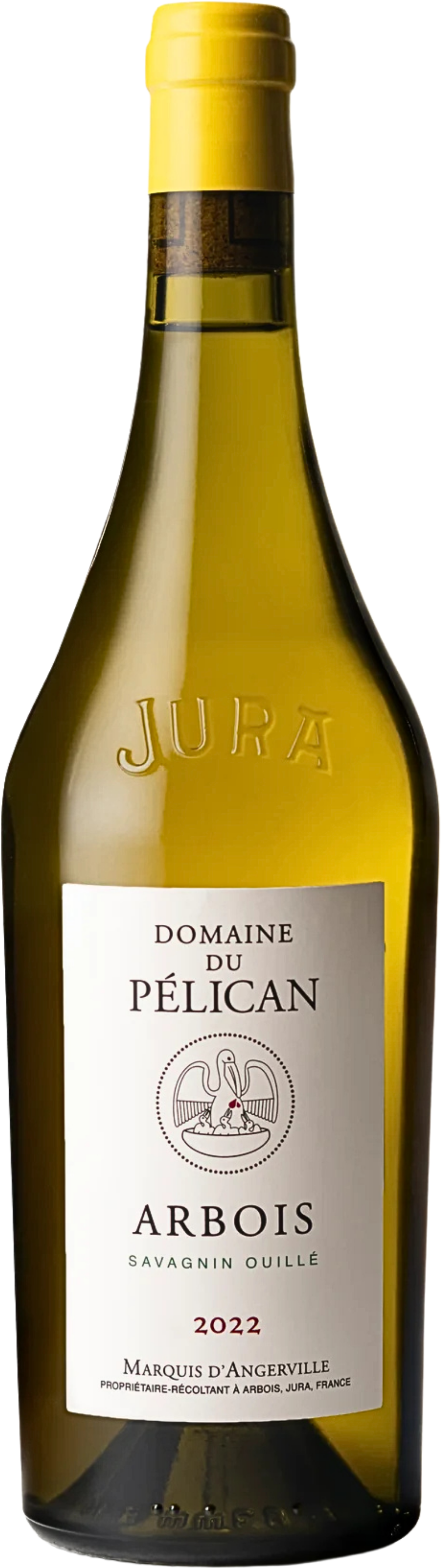
Similar search terms for Domaine-du-Pélican-Savagnin
Top-Angebote
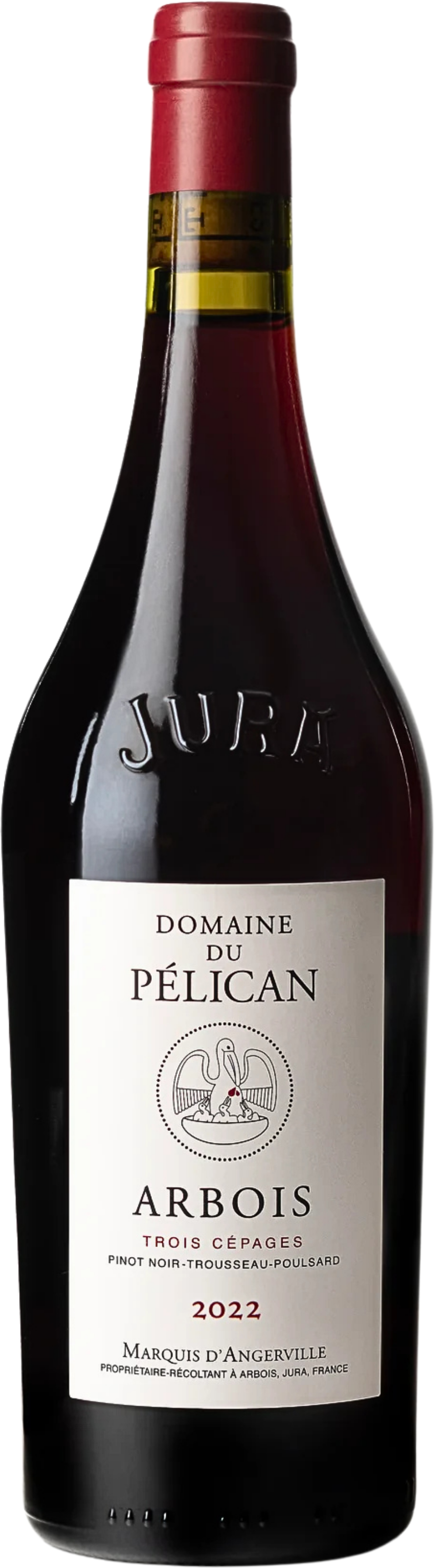
Products related to Domaine-du-Pélican-Savagnin:


-
Do you say "Du backst" or "Du bäckst"?
The correct spelling is "Du backst." The verb "backen" is conjugated as "backst" in the second person singular form. The umlaut on the letter "a" is not used in this conjugation. **
-
Is it said "Du backst" or "Du bäckst"?
The correct form is "Du backst." The verb "backen" means "to bake" in German, and when conjugated for the second person singular (du), it takes the form "backst." The umlaut (ä) in "bäckst" is incorrect in this context. **
-
Does it say "Du backst" or "Du bäckst"?
It says "Du backst." The verb "backen" (to bake) is conjugated as "backst" in the second person singular form in the present tense. The form "Du bäckst" would be incorrect in standard German. **
-
Does it say "Du hältst" or "Du hältst"?
It says "Du hältst." **
Why do we say "du hältst" but not "du setzt" instead "du setzt dich"?
In German, the verb "setzen" typically requires a direct object, so when using it in the second person singular form, it is often accompanied by a reflexive pronoun to indicate that the action is being performed on oneself. This is why we say "du setzt dich" instead of just "du setzt." On the other hand, the verb "halten" does not require a direct object, so it can be used on its own without a reflexive pronoun, resulting in "du hältst." This distinction in usage is a characteristic of the German language and its grammar rules. **
What does "Du weißt nicht, was du willst?" mean?
"Du weißt nicht, was du willst?" is a German phrase that translates to "You don't know what you want?" in English. It is often used to express frustration or confusion towards someone who seems indecisive or unsure about their desires or intentions. The phrase can be used in various contexts, such as in relationships, decision-making, or when someone is being wishy-washy about their choices. **
Top-Angebote
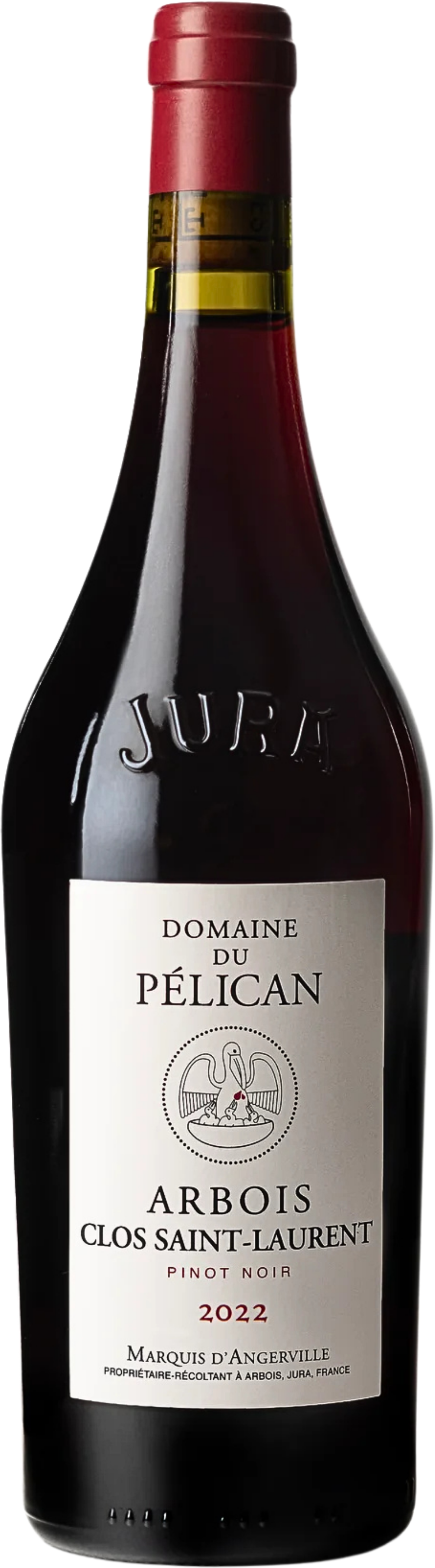
Products related to Domaine-du-Pélican-Savagnin:
-
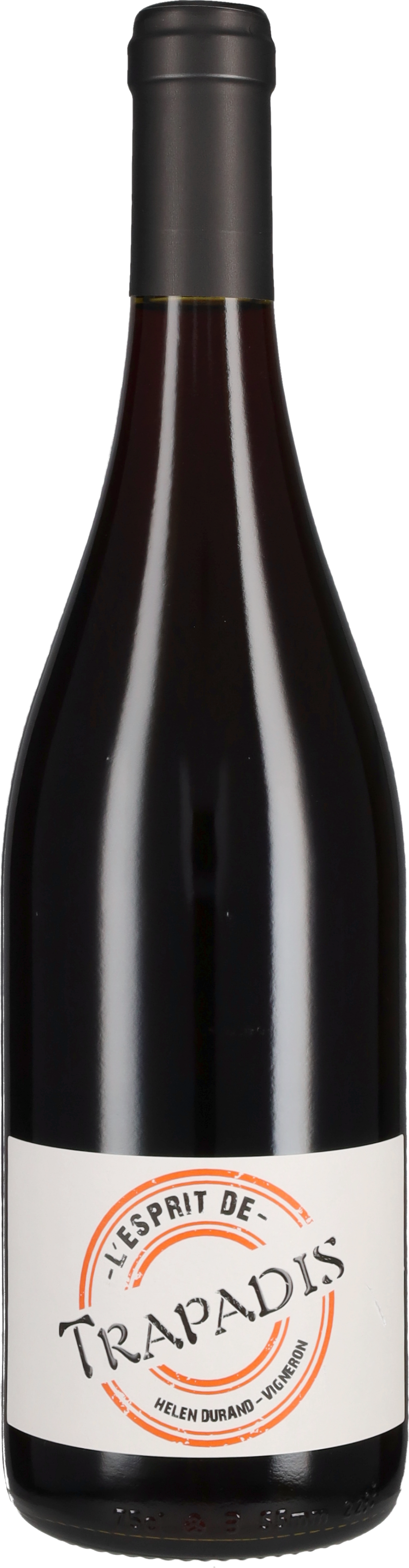
Rouge 'Esprit' Domaine du Trapadis 2023The Rouge "Esprit" from Domaine du Trapadis is a wine made with pure Grenache Noir in Rasteau, in the lower Rhône region, near Chateauneuf-du-Pape. It is precisely in this area that this ancient red grape variety expresses itself at the highest levels of excellence, with wines that have a mediterranean, harmonious, soft, and fruity profile. Reds that have carved out a prominent place over time in the landscape of French wines, also thanks to their great tradition and centuries-old history. The red "Esprit" from Domaine du Trapadis is a vin de France that well expresses the historical vocation of this region in southern France to produce great red wines. In these lands, Grenache Noir has found its cradle of choice for centuries. The warm and Mediterranean climate, the calcareous-clay soils rich in stones, have proven perfect for enhancing the characteristics of this Spanish-origin variety, cultivated in almost all the countries bordering the Mediterranean under various names: Garnacha in Spain, Cannonau in Sardinia, Tai Rosso in Veneto. The vines have an average age of about 20 years. They are cultivated under organic farming conditions on soils that are rather poor in sand and silt, which favor low yields and the production of grapes with excellent aromatic concentration. Fermentation occurs spontaneously in cement tanks, using only indigenous yeasts and a maceration on the skins of about 8 days. The wine matures for 10 months in steel tanks and is bottled without filtration or clarification and with a low dosage of sulfur. The Rouge "Esprit" from Domaine du Trapadis, thanks to a winemaking process that does not use wood and is very respectful of the raw material, expresses all the varietal richness of pure Grenache Noir, giving a wine that is straightforward and pleasantly easy to drink. The color is a rather intense bright ruby red. On the nose, aromas of small dark berries, black currant, and blueberry prevail, with hints of underbrush and scents of medicinal herbs, almost balsamic. The sip is harmonious, with rich, crunchy fruit and a finish with balanced freshness.12,00 £*Shipping: 48,00 £Secure redirect to the provider
-
Which TV channels can be received at Domaine Long Pré?
At Domaine Long Pré, guests can receive a variety of TV channels, including popular international channels such as CNN, BBC, and Eurosport. Additionally, there are channels available in different languages, catering to the diverse needs of the guests. The wide selection of TV channels ensures that guests can stay updated with news, sports, and entertainment during their stay at Domaine Long Pré. **
-
What does 'du brunzkache du ogsoachte' mean?
The phrase "du brunzkache du ogsoachte" is in the Bavarian dialect of German and translates to "you're crazy, you're delusional" in English. It is used to express disbelief or to dismiss someone's ideas or actions as irrational or nonsensical. **
-
Do you say "Du backst" or "Du bäckst"?
The correct spelling is "Du backst." The verb "backen" is conjugated as "backst" in the second person singular form. The umlaut on the letter "a" is not used in this conjugation. **
-
Is it said "Du backst" or "Du bäckst"?
The correct form is "Du backst." The verb "backen" means "to bake" in German, and when conjugated for the second person singular (du), it takes the form "backst." The umlaut (ä) in "bäckst" is incorrect in this context. **
Similar search terms for Domaine-du-Pélican-Savagnin
-
Does it say "Du backst" or "Du bäckst"?
It says "Du backst." The verb "backen" (to bake) is conjugated as "backst" in the second person singular form in the present tense. The form "Du bäckst" would be incorrect in standard German. **
-
Does it say "Du hältst" or "Du hältst"?
It says "Du hältst." **
-
Why do we say "du hältst" but not "du setzt" instead "du setzt dich"?
In German, the verb "setzen" typically requires a direct object, so when using it in the second person singular form, it is often accompanied by a reflexive pronoun to indicate that the action is being performed on oneself. This is why we say "du setzt dich" instead of just "du setzt." On the other hand, the verb "halten" does not require a direct object, so it can be used on its own without a reflexive pronoun, resulting in "du hältst." This distinction in usage is a characteristic of the German language and its grammar rules. **
-
What does "Du weißt nicht, was du willst?" mean?
"Du weißt nicht, was du willst?" is a German phrase that translates to "You don't know what you want?" in English. It is often used to express frustration or confusion towards someone who seems indecisive or unsure about their desires or intentions. The phrase can be used in various contexts, such as in relationships, decision-making, or when someone is being wishy-washy about their choices. **
* All prices are inclusive of VAT and, if applicable, plus shipping costs. The offer information is based on the details provided by the respective shop and is updated through automated processes. Real-time updates do not occur, so deviations can occur in individual cases. ** Note: Parts of this content were created by AI.