Buy heralogic.eu ?
We are moving the project
heralogic.eu .
Are you interested in purchasing the domain
heralogic.eu ?
domain@kv-gmbh.de · 0541-91531010
Buy heralogic.eu ?
Who is Siddharta Gautama for you?
Siddharta Gautama, also known as the Buddha, is a historical figure who founded the religion of Buddhism. For me, he is a spiritual teacher and a symbol of enlightenment and compassion. His teachings on the nature of suffering and the path to liberation have had a profound impact on millions of people around the world, including myself. I see him as a source of inspiration and guidance in my own spiritual journey. **
What is Siddhartha Gautama now considered in Buddhism?
Siddhartha Gautama is now considered the founder of Buddhism and is revered as the Buddha, which means "the awakened one" or "the enlightened one." He is seen as a teacher and spiritual leader who attained enlightenment and taught the path to liberation from suffering. Buddhists around the world look to his teachings and life as a source of inspiration and guidance in their own spiritual practice. **

Similar search terms for Gautama
Top-Angebote
Products related to Gautama:
-
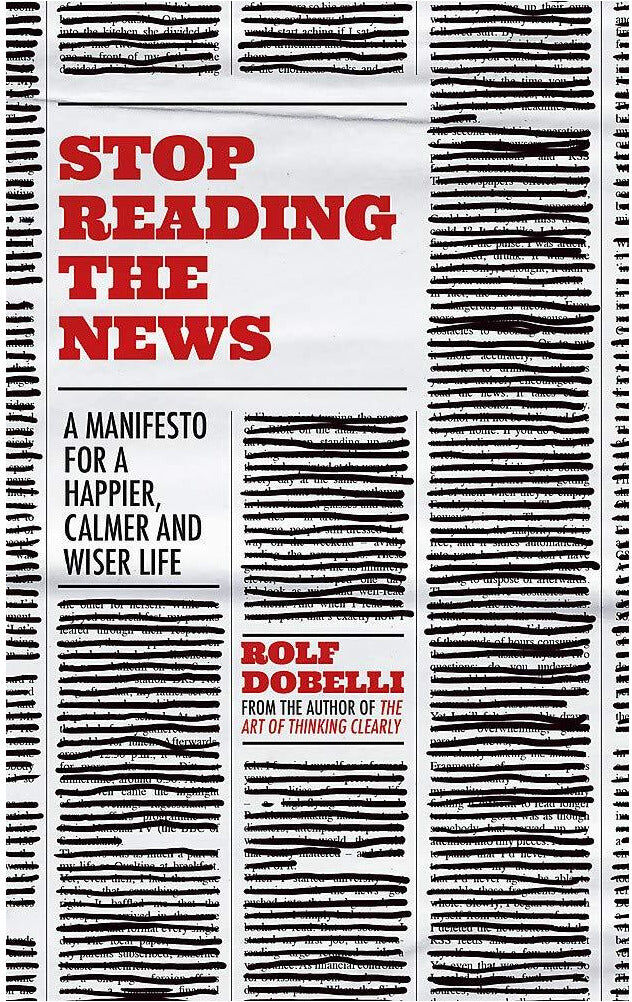
Sceptre Stop Reading the News: A Manifesto for a Happier, Calmer and Wiser Life by Rolf DobelliIn 2013 Rolf Dobelli stood in front of a roomful of journalists and proclaimed that he did not read the news. It caused a riot. Now the author of the bestselling The Art of Thinking Clearly finally sets down his philosophy in detail. And he practises what he preaches: he hasn't read the news for a decade. Stop Reading the News is Dobelli's manifesto about the dangers of the most toxic form of information - news. He shows the damage it does to our concentration and well-being, and how a misplaced sense of duty can misdirect our behaviour. Most importantly, he offers the reader the guidance on how to live without news, and the many potential gains to be had: less disruption, more time, less anxiety, more insights. In a world of increasing disruption and division, Stop Reading the News is a welcome voice of calm and wisdom.4,49 £*Shipping: 1,99 £Secure redirect to the provider
-
eufy Water and Freeze Sensor with Remote Alerts WhiteInstant Notifications*: Protect your home from leaks, water damage, and damage from freezing temperatures. Get notifications if water is detected or if the temperature drops below freezing. East to Set Up: Just place it anywhere you want to detect...34,99 $*Shipping: 0,00 $Secure redirect to the provider
-
Highland Dunes 1 - Removed option-specific information Blue 71cm H X 47cm W X 56cm DThis set includes 2 blue low folding outdoor chairs with an extra wide seat. Built with rust-resistant steel frame and 600D Oxford cloth plus breathable mesh, each chair supports up to 136KG. Anti-slip anti-sink foot covers enhance stability on sand and mud. Equipped with arm pads, cup holder and storage pocket for daily items. Quick to fold and comes with a carry bag, ideal for beach, camping, garden and other outdoor activities. Highland Dunes Number of Chairs Included: 249,99 £*Shipping: 4,99 £Secure redirect to the provider
-
Inspire Daily Merch Waterproof Smart Watch With Information Alerts Sleep Monitoring Pedometer And Message Answer Call pinkHighQuality Waterproof Design for Active Lifestyles The 1.83'' Waterproof Smart Watch is designed to withstand your most active days. Whether you're caught in the rain or swimming, this smart watch's waterproof feature ensures reliable performance...179,97 $*Shipping: 0,00 $Secure redirect to the provider



-
What religion did Buddha Siddhartha Gautama believe in?
Buddha Siddhartha Gautama did not believe in a specific religion, as he was the founder of Buddhism. He was born into a Hindu family and was exposed to Hindu teachings and practices, but he ultimately rejected the traditional Vedic teachings and sought his own path to enlightenment. After years of meditation and self-discovery, he attained enlightenment and began teaching his own spiritual philosophy, which became the foundation of Buddhism. Buddhism is based on the Four Noble Truths and the Eightfold Path, and it emphasizes the importance of personal spiritual development and the cessation of suffering. **
-
What are the demands of Buddhism from Siddhartha Gautama?
Siddhartha Gautama, the founder of Buddhism, emphasized the Four Noble Truths and the Eightfold Path as the core demands of his teachings. The Four Noble Truths outline the nature of suffering, its cause, its cessation, and the path to its cessation. The Eightfold Path consists of right understanding, right thought, right speech, right action, right livelihood, right effort, right mindfulness, and right concentration, which serve as guidelines for ethical and mental development. Overall, Buddhism demands a commitment to understanding the nature of suffering and following a path of ethical conduct, mental discipline, and wisdom to attain liberation from suffering. **
-
What are the thoughts of Buddha Siddhartha Gautama regarding God?
Buddha Siddhartha Gautama did not explicitly deny the existence of a god or gods, but he did not focus on the concept of a supreme being in his teachings. Instead, he emphasized the importance of self-discovery, mindfulness, and the alleviation of suffering through the Four Noble Truths and the Eightfold Path. Buddha's teachings were more concerned with the nature of human suffering and the path to enlightenment, rather than the existence or nature of a deity. Therefore, his thoughts on God were not central to his teachings. **
-
Why is Buddha Gautama often depicted as fat despite his slim figure?
Buddha Gautama is often depicted as fat in some cultures, such as in Chinese Buddhism, due to the influence of the Bodhisattva Maitreya. Maitreya is a future Buddha who is traditionally depicted as a plump and jolly figure, symbolizing abundance and contentment. Over time, this imagery may have been associated with Buddha Gautama as well, leading to his portrayal as fat in some artistic representations, despite historical accounts describing him as slim due to his ascetic lifestyle. **


Can someone recommend a good movie about Buddha Siddhartha Gautama to me?
I recommend the movie "The Buddha" directed by David Grubin. This documentary film provides a comprehensive and insightful portrayal of the life of Buddha Siddhartha Gautama, from his privileged upbringing to his spiritual awakening and teachings. The film combines historical reenactments, original texts, and interviews with contemporary Buddhists to offer a compelling and informative depiction of Buddha's life and impact on the world. It is a well-received and highly regarded film that provides a deep understanding of the life and teachings of Buddha. **
Why does the first Buddha, Siddhartha Gautama, always have such long earlobes in pictures?
In Buddhist iconography, the long earlobes of the first Buddha, Siddhartha Gautama, are a symbol of his noble birth and royal heritage. According to traditional accounts, Siddhartha was born into a wealthy and privileged family, and his elongated earlobes are a physical trait associated with royalty and prosperity. The depiction of long earlobes in images of the Buddha serves as a visual reminder of his princely background and the renunciation of his luxurious lifestyle in pursuit of enlightenment. Additionally, the elongated earlobes are also seen as a symbol of wisdom and the ability to listen deeply to the suffering of others. **
Top-Angebote
Products related to Gautama:
-
Inspire Daily Merch Waterproof Smart Watch With Information Alerts Sleep Monitoring Pedometer And Message Answer Call starlightHighQuality Waterproof Design for Active Lifestyles The 1.83'' Waterproof Smart Watch is designed to withstand your most active days. Whether you're caught in the rain or swimming, this smart watch's waterproof feature ensures reliable performance...179,97 $*Shipping: 0,00 $Secure redirect to the provider
-
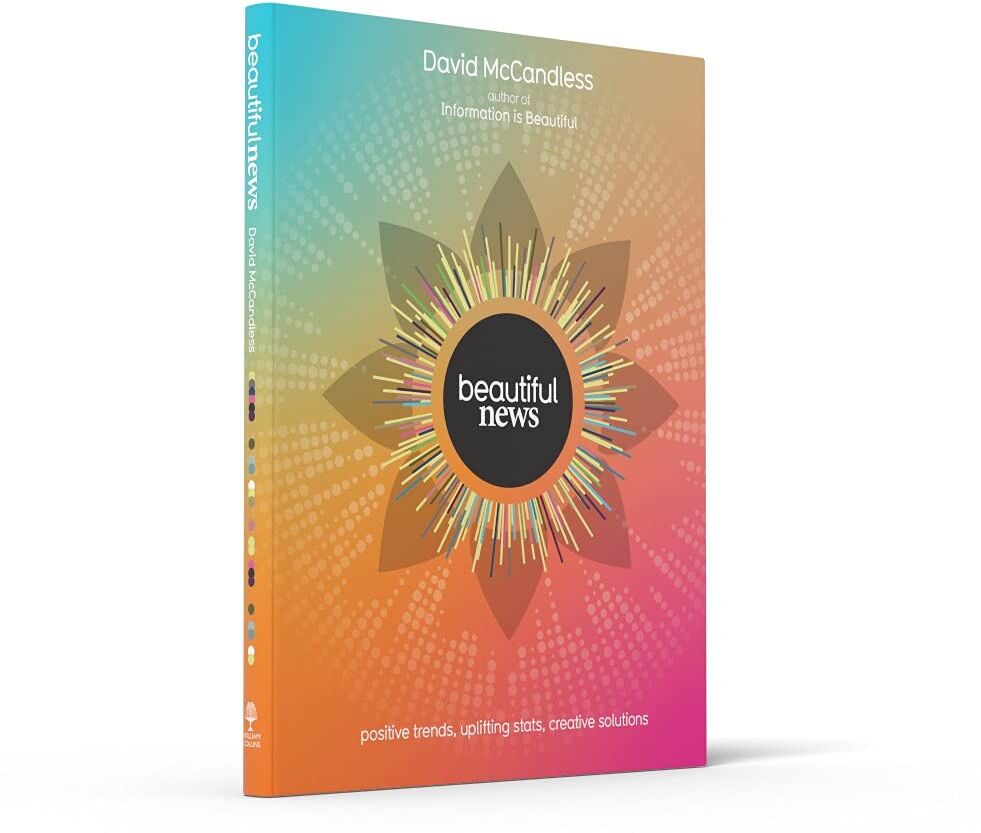
William Collins Beautiful News: Positive Trends, Uplifting Stats, Creative Solutions by David McCandlessIn this fascinating follow-up to the bestselling Information is Beautiful and Knowledge is Beautiful, the king of infographics David McCandless uses spectacular visuals to give us all a bit of good news. We are living in the Information Age, in which we are constantly bombarded with data – on television, in print and online. How can we relate to this mind-numbing overload? Enter David McCandless and his amazing infographics: simple, elegant ways to understand information too complex or abstract to grasp any way but visually. In his unique signature style, he creates dazzling displays that blend facts with their connections, contexts and relationships, making information meaningful, entertaining – and beautiful. In his highly anticipated third book, McCandless illustrates positive news from around the world, for an informative, engaging and uplifting collection of new infographic art.5,99 £*Shipping: 2,99 £Secure redirect to the provider
-
Sceptre Stop Reading the News: A Manifesto for a Happier, Calmer and Wiser Life by Rolf DobelliIn 2013 Rolf Dobelli stood in front of a roomful of journalists and proclaimed that he did not read the news. It caused a riot. Now the author of the bestselling The Art of Thinking Clearly finally sets down his philosophy in detail. And he practises what he preaches: he hasn't read the news for a decade. Stop Reading the News is Dobelli's manifesto about the dangers of the most toxic form of information - news. He shows the damage it does to our concentration and well-being, and how a misplaced sense of duty can misdirect our behaviour. Most importantly, he offers the reader the guidance on how to live without news, and the many potential gains to be had: less disruption, more time, less anxiety, more insights. In a world of increasing disruption and division, Stop Reading the News is a welcome voice of calm and wisdom.4,49 £*Shipping: 1,99 £Secure redirect to the provider
-
eufy Water and Freeze Sensor with Remote Alerts WhiteInstant Notifications*: Protect your home from leaks, water damage, and damage from freezing temperatures. Get notifications if water is detected or if the temperature drops below freezing. East to Set Up: Just place it anywhere you want to detect...34,99 $*Shipping: 0,00 $Secure redirect to the provider
-
Who is Siddharta Gautama for you?
Siddharta Gautama, also known as the Buddha, is a historical figure who founded the religion of Buddhism. For me, he is a spiritual teacher and a symbol of enlightenment and compassion. His teachings on the nature of suffering and the path to liberation have had a profound impact on millions of people around the world, including myself. I see him as a source of inspiration and guidance in my own spiritual journey. **
-
What is Siddhartha Gautama now considered in Buddhism?
Siddhartha Gautama is now considered the founder of Buddhism and is revered as the Buddha, which means "the awakened one" or "the enlightened one." He is seen as a teacher and spiritual leader who attained enlightenment and taught the path to liberation from suffering. Buddhists around the world look to his teachings and life as a source of inspiration and guidance in their own spiritual practice. **
-
What religion did Buddha Siddhartha Gautama believe in?
Buddha Siddhartha Gautama did not believe in a specific religion, as he was the founder of Buddhism. He was born into a Hindu family and was exposed to Hindu teachings and practices, but he ultimately rejected the traditional Vedic teachings and sought his own path to enlightenment. After years of meditation and self-discovery, he attained enlightenment and began teaching his own spiritual philosophy, which became the foundation of Buddhism. Buddhism is based on the Four Noble Truths and the Eightfold Path, and it emphasizes the importance of personal spiritual development and the cessation of suffering. **
-
What are the demands of Buddhism from Siddhartha Gautama?
Siddhartha Gautama, the founder of Buddhism, emphasized the Four Noble Truths and the Eightfold Path as the core demands of his teachings. The Four Noble Truths outline the nature of suffering, its cause, its cessation, and the path to its cessation. The Eightfold Path consists of right understanding, right thought, right speech, right action, right livelihood, right effort, right mindfulness, and right concentration, which serve as guidelines for ethical and mental development. Overall, Buddhism demands a commitment to understanding the nature of suffering and following a path of ethical conduct, mental discipline, and wisdom to attain liberation from suffering. **
Similar search terms for Gautama
-
Highland Dunes 1 - Removed option-specific information Blue 71cm H X 47cm W X 56cm DThis set includes 2 blue low folding outdoor chairs with an extra wide seat. Built with rust-resistant steel frame and 600D Oxford cloth plus breathable mesh, each chair supports up to 136KG. Anti-slip anti-sink foot covers enhance stability on sand and mud. Equipped with arm pads, cup holder and storage pocket for daily items. Quick to fold and comes with a carry bag, ideal for beach, camping, garden and other outdoor activities. Highland Dunes Number of Chairs Included: 249,99 £*Shipping: 4,99 £Secure redirect to the provider
-
Inspire Daily Merch Waterproof Smart Watch With Information Alerts Sleep Monitoring Pedometer And Message Answer Call pinkHighQuality Waterproof Design for Active Lifestyles The 1.83'' Waterproof Smart Watch is designed to withstand your most active days. Whether you're caught in the rain or swimming, this smart watch's waterproof feature ensures reliable performance...179,97 $*Shipping: 0,00 $Secure redirect to the provider
-
Inspire Daily Merch Waterproof Smart Watch With Information Alerts Sleep Monitoring Pedometer And Message Answer Call blackHighQuality Waterproof Design for Active Lifestyles The 1.83'' Waterproof Smart Watch is designed to withstand your most active days. Whether you're caught in the rain or swimming, this smart watch's waterproof feature ensures reliable performance...179,97 $*Shipping: 0,00 $Secure redirect to the provider
-
Inspire Daily Merch Waterproof Smart Watch With Information Alerts Sleep Monitoring Pedometer And Message Answer Call whiteHighQuality Waterproof Design for Active Lifestyles The 1.83'' Waterproof Smart Watch is designed to withstand your most active days. Whether you're caught in the rain or swimming, this smart watch's waterproof feature ensures reliable performance...179,97 $*Shipping: 0,00 $Secure redirect to the provider
-
What are the thoughts of Buddha Siddhartha Gautama regarding God?
Buddha Siddhartha Gautama did not explicitly deny the existence of a god or gods, but he did not focus on the concept of a supreme being in his teachings. Instead, he emphasized the importance of self-discovery, mindfulness, and the alleviation of suffering through the Four Noble Truths and the Eightfold Path. Buddha's teachings were more concerned with the nature of human suffering and the path to enlightenment, rather than the existence or nature of a deity. Therefore, his thoughts on God were not central to his teachings. **
-
Why is Buddha Gautama often depicted as fat despite his slim figure?
Buddha Gautama is often depicted as fat in some cultures, such as in Chinese Buddhism, due to the influence of the Bodhisattva Maitreya. Maitreya is a future Buddha who is traditionally depicted as a plump and jolly figure, symbolizing abundance and contentment. Over time, this imagery may have been associated with Buddha Gautama as well, leading to his portrayal as fat in some artistic representations, despite historical accounts describing him as slim due to his ascetic lifestyle. **
-
Can someone recommend a good movie about Buddha Siddhartha Gautama to me?
I recommend the movie "The Buddha" directed by David Grubin. This documentary film provides a comprehensive and insightful portrayal of the life of Buddha Siddhartha Gautama, from his privileged upbringing to his spiritual awakening and teachings. The film combines historical reenactments, original texts, and interviews with contemporary Buddhists to offer a compelling and informative depiction of Buddha's life and impact on the world. It is a well-received and highly regarded film that provides a deep understanding of the life and teachings of Buddha. **
-
Why does the first Buddha, Siddhartha Gautama, always have such long earlobes in pictures?
In Buddhist iconography, the long earlobes of the first Buddha, Siddhartha Gautama, are a symbol of his noble birth and royal heritage. According to traditional accounts, Siddhartha was born into a wealthy and privileged family, and his elongated earlobes are a physical trait associated with royalty and prosperity. The depiction of long earlobes in images of the Buddha serves as a visual reminder of his princely background and the renunciation of his luxurious lifestyle in pursuit of enlightenment. Additionally, the elongated earlobes are also seen as a symbol of wisdom and the ability to listen deeply to the suffering of others. **
* All prices are inclusive of VAT and, if applicable, plus shipping costs. The offer information is based on the details provided by the respective shop and is updated through automated processes. Real-time updates do not occur, so deviations can occur in individual cases. ** Note: Parts of this content were created by AI.