Buy heralogic.eu ?
We are moving the project
heralogic.eu .
Are you interested in purchasing the domain
heralogic.eu ?
domain@kv-gmbh.de · 0541-91531010
Buy heralogic.eu ?
What are vineyard snails?
Vineyard snails, also known as grape snails, are a species of snail commonly found in vineyards and other agricultural areas. They are known for their voracious appetite for grape leaves and can cause significant damage to grapevines if left unchecked. Vineyard snails are a particular concern for grape growers, as they can impact the health and yield of grape crops. Measures such as manual removal, natural predators, and chemical control are often used to manage vineyard snail populations. **
Do vineyard snails eat paper?
No, vineyard snails do not eat paper. They are herbivores that primarily feed on plants, fruits, and vegetables. Paper is not a natural part of their diet, so they are unlikely to consume it. If you are experiencing issues with snails eating paper, it is more likely to be a different species of snail or pest. **

Similar search terms for Haynes-Vineyard-Haynes-Vineyard
Top-Angebote
Products related to Haynes-Vineyard-Haynes-Vineyard:
-
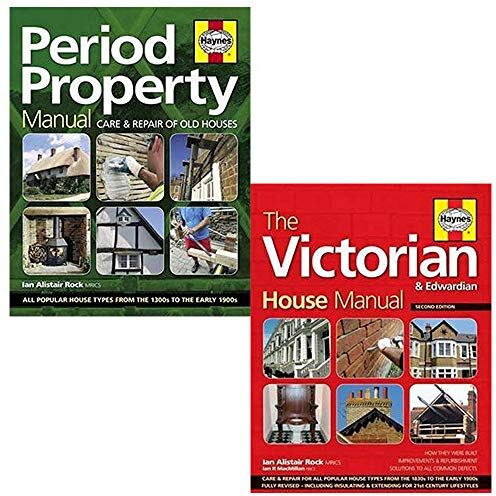
J H Haynes & Co Ltd Haynes Property Manual 2 Books Collection Set (The Victorian House, Period Property)The Victorian House Manual The Victorian House Manual (2nd Edition): How They Were Built, Improvements & Refurbishment, Solutions to All Common Defects Thinking of buying a Victorian or Edwardian house? Or maybe you already own one? Either way, this clearly written manual explains all you need to know about the care and repair of these classic properties. Today, many houses of this age are in need of extensive updating and maintenance, having suffered years of neglect. Some have been damaged by misguided home improvements or botched repairs using the wrong materials. Even newly refurbished properties can sometimes conceal dangerous structural alterations and shoddy build-quality. This unique manual provides detailed, expert advice, backed up with clear how to colour photographs, describing where to check for the critical danger signs and how to fix all common defects. Period Property Britain has a wonderfully rich stock of period houses - everything from medieval cottages to Georgian townhouses and Edwardian mansions. But many of these historic properties are now at risk. Some are unwittingly damaged by well-meaning owners or incompetent builders; others suffer long-term deterioration where mortgage lenders have imposed quick-fix 'remedies'. Despite being some of the most sustainable buildings on the planet, many old houses are now being subjected to ill-advised works to upgrade thermal efficiency, resulting in the destruction of the very qualities that make them so appealing, slashing their values. Haynes have come to the rescue with this clearly written, lavishly illustrated manual explaining the correct approach to care and repair - covering the full range of traditional materials. Every old house has a story to tell, so Haynes also show how to explore your home's history and strip back modern finishes to reveal long lost original features. This comprehensive manual is essential reading whether you want to get your hands dirty or just want to understand how old houses work and how to go about employing specialist craftsmen.19,99 £*Shipping: 2,99 £Secure redirect to the provider
-
J H Haynes & Co Ltd Haynes Farming Manual 3 Books Collection Set Smallholding Manual Sheep Manual Chicken ManualTitle of the Books Chicken ManualSmallholding ManualSheep Manual Product description Smallholding ManualThe Good Life has never been so popular. More and more of us are searching for the perfect rural idyll our very own piece of the countryside where we can live side by side with nature, produce our own food, and have a degree of control over what we eat. Written by an experienced and successful smallholder, the Smallholding Manual is ideal for existing landowners as well as those contemplating a move to the countryside. Unlike previous books in this genre, it takes the reader right from that all-important Step 1 finding the perfect smallholding to creating a viable lifestyle. It offers a complete introduction to the myriad potential land uses and provides clear, step-by-step guides to getting to grips with enjoying a new, more fulfilling lifestyle. Selling your produce: regulations involved, direct sales, farmers markets. Wildlife-friendly farming: biodiversity, habitat maintenance and creation. Showing your livestock: getting started, preparation, using shows to promote your stock.Chicken ManualThis book, the latest innovative Haynes Manual, will provide a complete and easy-to-understand reference for the growing band of people wishing to keep their own chickens for both food and pleasure. Pitched at the novice but also containing plenty to interest the experienced chicken-keeper, the book will contain no-nonsense advice, tips, facts and step-by step sequences, as well as plenty of relevant photographs and diagrams. As more people keep chickens nowadays than at any time since the Second World War, this book is a timely addition to the Haynes range. Sheep ManualSheep have to be one of the most versatile livestock animals on the planet. All-in-one grazing and fertilising machines, they provide meat and milk for our tables, wool for clothing, carpets, and insulation, skins for leather and rugs, and a whole host of other products.If you have recently acquired sheep or are thinking of starting a small flock, this book is for you.21,99 £*Shipping: 2,99 £Secure redirect to the provider
-
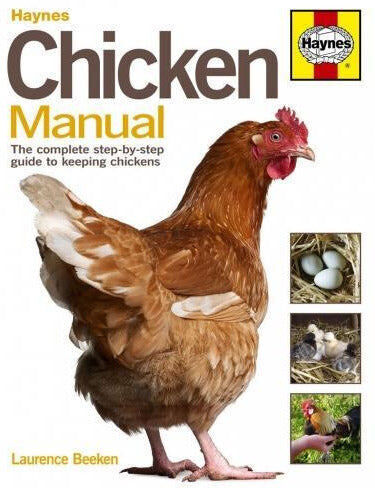
J H Haynes & Co Ltd Chicken Manual: The Complete Step-by-step Guide to Keeping Chickens (Haynes Manuals)Haynes Chicken Manual The Complete Stepbystep Guide To Keeping Chickens Description: This book; the latest innovative Haynes Manual; will provide a complete and easy-to-understand reference for the growing band of people wishing to keep their own chickens for both food and pleasure. Pitched at the novice but also containing plenty to interest the experienced chicken-keeper; the book will contain no-nonsense advice; tips; facts and step-by step sequences; as well as plenty of relevant photographs and diagrams. As more people keep chickens nowadays than at any time since the Second World War; this book is a timely addition to the Haynes range.11,99 £*Shipping: 2,99 £Secure redirect to the provider
-
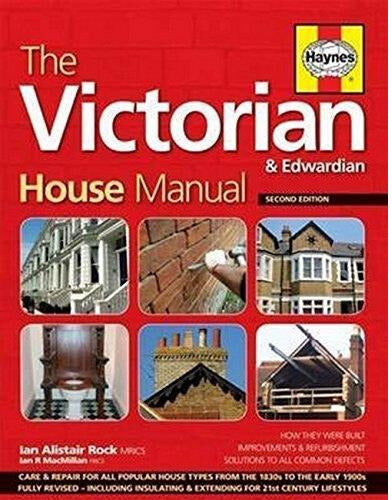
J H Haynes & Co Ltd Haynes The Victorian House Manual - Care And Repair For All Popular House TypesThe Victorian House Manual (2nd Edition)Haynes The Victorian House Manual: Care and Repair For All Popular House Types Description: Thinking of buying a Victorian or Edwardian house? Or maybe you already own one? Either way; this clearly written manual explains all you need to know about the care and repair of these classic properties. Today; many houses of this age are in need of extensive updating and maintenance; having suffered years of neglect. Some have been damaged by misguided home improvements or botched repairs using the wrong materials. Even newly refurbished properties can sometimes conceal dangerous structural alterations and shoddy build-quality. This unique manual provides detailed; expert advice; backed up with clear how to colour photographs; describing where to check for the critical danger signs and how to fix all common defects. Each chapter is devoted to a key part of the house in the style of a professional home survey; guiding you safely through the whole building. The author also investigates potential dangers from subsidence; damp; beetle infestation; fungal decay; lead paint; lead pipes; asbestos and toxic mould . Every old house has a story to tell; and one of the joys of owning a valuable antique building is discovering its history stripping back modern finishes to reveal long lost original features. So the manual also includes a wealth of fascinating information about 19th amp; early 20th century houses everything from the immeasurable contribution made by Victorian toilet pioneers such as the legendary Thomas Crapper; to why horse hair and dung were common ingredients in building materials. Coming right up to date; the book shows the best ways to upgrade and extend your home for 21st century lifestyles; and reveals which improvements add real value and the ones to avoid.12,99 £*Shipping: 2,99 £Secure redirect to the provider

-
Are slugs homeless vineyard snails?
No, slugs are not homeless vineyard snails. While both slugs and vineyard snails can be found in vineyards, they are two different species. Slugs are gastropods that lack a shell, while vineyard snails are a type of land snail with a coiled shell. Both may be found in vineyards, but they are distinct creatures with different characteristics and behaviors. **
-
What is a vineyard snail?
A vineyard snail, also known as the Burgundy snail or Roman snail, is a species of land snail that is commonly found in vineyards and other agricultural areas. It is known for its distinctive spiral shell and is often considered a pest by grape growers, as it can damage grapevines and consume grape leaves. However, in some regions, vineyard snails are also harvested and used as a culinary delicacy, particularly in French cuisine. **
-
Is my vineyard snail dead?
It is difficult to determine if your vineyard snail is dead without more information. Look for signs of life such as movement, response to touch, and the condition of its body. If the snail is not moving and its body appears dried out or damaged, it may be dead. However, if you are unsure, it is best to consult with a veterinarian or an expert in snail care for a more accurate assessment. **
-
How can one sell vineyard snails?
One can sell vineyard snails by first ensuring they have the necessary permits and licenses to sell food products. Next, they can reach out to local restaurants, gourmet food stores, or farmers' markets to see if there is interest in purchasing the snails. Additionally, they can create an online presence through a website or social media to attract customers who are looking to buy vineyard snails. Lastly, offering samples or hosting tasting events can help showcase the quality and taste of the snails to potential buyers. **
Should one leave vineyard snails alone?
It is generally best to leave vineyard snails alone, as they play a role in the ecosystem and can be beneficial to the soil. They help break down organic matter and contribute to nutrient cycling. Additionally, some species of snails are protected or endangered, so it is important to respect their natural habitat. However, if vineyard snails are causing significant damage to crops, it may be necessary to implement control measures in a targeted and sustainable manner. **
How do I breed vineyard snails?
To breed vineyard snails, you will need to create a suitable environment for them. This includes providing a space with plenty of vegetation and a humid climate. You can also introduce a mating pair of snails to start the breeding process. Ensure that the snails have access to a calcium source for shell development and monitor their environment to ensure it remains suitable for breeding. With the right conditions, vineyard snails can reproduce and increase their population. **
Top-Angebote
Products related to Haynes-Vineyard-Haynes-Vineyard:
-
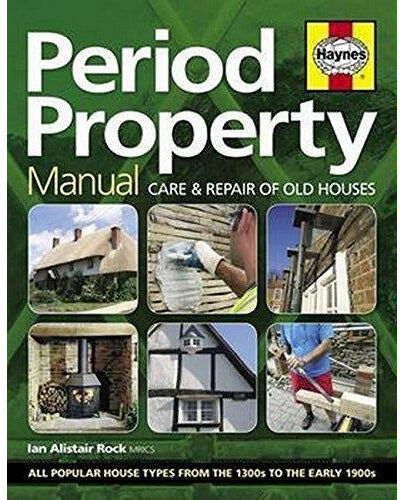
J H Haynes & Co Ltd Haynes Period Property Manual: Care And Repair Of Old HousesHaynes Period Property Manual: Care And Repair Of Old Houses Britain has a wonderfully rich stock of period houses - everything from medieval cottages to Georgian townhouses and Edwardian mansions. But many of these historic properties are now at risk. Some are unwittingly damaged by well-meaning owners or incompetent builders; others suffer long-term deterioration where mortgage lenders have imposed quick-fix 'remedies'. Despite being some of the most sustainable buildings on the planet; many old houses are now being subjected to ill-advised works to upgrade thermal efficiency; resulting in the destruction of the very qualities that make them so appealing; slashing their values. Haynes have come to the rescue with this clearly written; lavishly illustrated manual explaining the correct approach to care and repair - covering the full range of traditional materials.10,99 £*Shipping: 2,99 £Secure redirect to the provider
-
J H Haynes & Co Ltd Haynes Property Manual 2 Books Collection Set (The Victorian House, Period Property)The Victorian House Manual The Victorian House Manual (2nd Edition): How They Were Built, Improvements & Refurbishment, Solutions to All Common Defects Thinking of buying a Victorian or Edwardian house? Or maybe you already own one? Either way, this clearly written manual explains all you need to know about the care and repair of these classic properties. Today, many houses of this age are in need of extensive updating and maintenance, having suffered years of neglect. Some have been damaged by misguided home improvements or botched repairs using the wrong materials. Even newly refurbished properties can sometimes conceal dangerous structural alterations and shoddy build-quality. This unique manual provides detailed, expert advice, backed up with clear how to colour photographs, describing where to check for the critical danger signs and how to fix all common defects. Period Property Britain has a wonderfully rich stock of period houses - everything from medieval cottages to Georgian townhouses and Edwardian mansions. But many of these historic properties are now at risk. Some are unwittingly damaged by well-meaning owners or incompetent builders; others suffer long-term deterioration where mortgage lenders have imposed quick-fix 'remedies'. Despite being some of the most sustainable buildings on the planet, many old houses are now being subjected to ill-advised works to upgrade thermal efficiency, resulting in the destruction of the very qualities that make them so appealing, slashing their values. Haynes have come to the rescue with this clearly written, lavishly illustrated manual explaining the correct approach to care and repair - covering the full range of traditional materials. Every old house has a story to tell, so Haynes also show how to explore your home's history and strip back modern finishes to reveal long lost original features. This comprehensive manual is essential reading whether you want to get your hands dirty or just want to understand how old houses work and how to go about employing specialist craftsmen.19,99 £*Shipping: 2,99 £Secure redirect to the provider
-
J H Haynes & Co Ltd Haynes Farming Manual 3 Books Collection Set Smallholding Manual Sheep Manual Chicken ManualTitle of the Books Chicken ManualSmallholding ManualSheep Manual Product description Smallholding ManualThe Good Life has never been so popular. More and more of us are searching for the perfect rural idyll our very own piece of the countryside where we can live side by side with nature, produce our own food, and have a degree of control over what we eat. Written by an experienced and successful smallholder, the Smallholding Manual is ideal for existing landowners as well as those contemplating a move to the countryside. Unlike previous books in this genre, it takes the reader right from that all-important Step 1 finding the perfect smallholding to creating a viable lifestyle. It offers a complete introduction to the myriad potential land uses and provides clear, step-by-step guides to getting to grips with enjoying a new, more fulfilling lifestyle. Selling your produce: regulations involved, direct sales, farmers markets. Wildlife-friendly farming: biodiversity, habitat maintenance and creation. Showing your livestock: getting started, preparation, using shows to promote your stock.Chicken ManualThis book, the latest innovative Haynes Manual, will provide a complete and easy-to-understand reference for the growing band of people wishing to keep their own chickens for both food and pleasure. Pitched at the novice but also containing plenty to interest the experienced chicken-keeper, the book will contain no-nonsense advice, tips, facts and step-by step sequences, as well as plenty of relevant photographs and diagrams. As more people keep chickens nowadays than at any time since the Second World War, this book is a timely addition to the Haynes range. Sheep ManualSheep have to be one of the most versatile livestock animals on the planet. All-in-one grazing and fertilising machines, they provide meat and milk for our tables, wool for clothing, carpets, and insulation, skins for leather and rugs, and a whole host of other products.If you have recently acquired sheep or are thinking of starting a small flock, this book is for you.21,99 £*Shipping: 2,99 £Secure redirect to the provider
-
What are vineyard snails?
Vineyard snails, also known as grape snails, are a species of snail commonly found in vineyards and other agricultural areas. They are known for their voracious appetite for grape leaves and can cause significant damage to grapevines if left unchecked. Vineyard snails are a particular concern for grape growers, as they can impact the health and yield of grape crops. Measures such as manual removal, natural predators, and chemical control are often used to manage vineyard snail populations. **
-
Do vineyard snails eat paper?
No, vineyard snails do not eat paper. They are herbivores that primarily feed on plants, fruits, and vegetables. Paper is not a natural part of their diet, so they are unlikely to consume it. If you are experiencing issues with snails eating paper, it is more likely to be a different species of snail or pest. **
-
Are slugs homeless vineyard snails?
No, slugs are not homeless vineyard snails. While both slugs and vineyard snails can be found in vineyards, they are two different species. Slugs are gastropods that lack a shell, while vineyard snails are a type of land snail with a coiled shell. Both may be found in vineyards, but they are distinct creatures with different characteristics and behaviors. **
-
What is a vineyard snail?
A vineyard snail, also known as the Burgundy snail or Roman snail, is a species of land snail that is commonly found in vineyards and other agricultural areas. It is known for its distinctive spiral shell and is often considered a pest by grape growers, as it can damage grapevines and consume grape leaves. However, in some regions, vineyard snails are also harvested and used as a culinary delicacy, particularly in French cuisine. **
Similar search terms for Haynes-Vineyard-Haynes-Vineyard
-
J H Haynes & Co Ltd Chicken Manual: The Complete Step-by-step Guide to Keeping Chickens (Haynes Manuals)Haynes Chicken Manual The Complete Stepbystep Guide To Keeping Chickens Description: This book; the latest innovative Haynes Manual; will provide a complete and easy-to-understand reference for the growing band of people wishing to keep their own chickens for both food and pleasure. Pitched at the novice but also containing plenty to interest the experienced chicken-keeper; the book will contain no-nonsense advice; tips; facts and step-by step sequences; as well as plenty of relevant photographs and diagrams. As more people keep chickens nowadays than at any time since the Second World War; this book is a timely addition to the Haynes range.11,99 £*Shipping: 2,99 £Secure redirect to the provider
-
J H Haynes & Co Ltd Haynes The Victorian House Manual - Care And Repair For All Popular House TypesThe Victorian House Manual (2nd Edition)Haynes The Victorian House Manual: Care and Repair For All Popular House Types Description: Thinking of buying a Victorian or Edwardian house? Or maybe you already own one? Either way; this clearly written manual explains all you need to know about the care and repair of these classic properties. Today; many houses of this age are in need of extensive updating and maintenance; having suffered years of neglect. Some have been damaged by misguided home improvements or botched repairs using the wrong materials. Even newly refurbished properties can sometimes conceal dangerous structural alterations and shoddy build-quality. This unique manual provides detailed; expert advice; backed up with clear how to colour photographs; describing where to check for the critical danger signs and how to fix all common defects. Each chapter is devoted to a key part of the house in the style of a professional home survey; guiding you safely through the whole building. The author also investigates potential dangers from subsidence; damp; beetle infestation; fungal decay; lead paint; lead pipes; asbestos and toxic mould . Every old house has a story to tell; and one of the joys of owning a valuable antique building is discovering its history stripping back modern finishes to reveal long lost original features. So the manual also includes a wealth of fascinating information about 19th amp; early 20th century houses everything from the immeasurable contribution made by Victorian toilet pioneers such as the legendary Thomas Crapper; to why horse hair and dung were common ingredients in building materials. Coming right up to date; the book shows the best ways to upgrade and extend your home for 21st century lifestyles; and reveals which improvements add real value and the ones to avoid.12,99 £*Shipping: 2,99 £Secure redirect to the provider
-
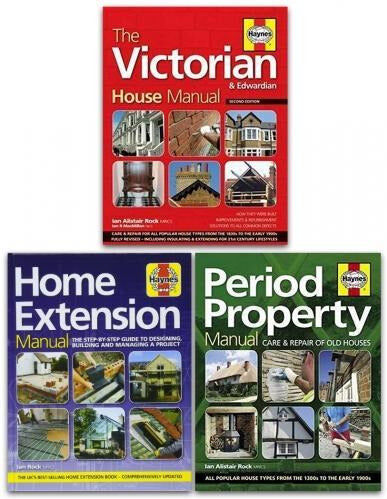
J H Haynes & Co Ltd Haynes Property Manual 3 Books Collection Set Home Extension The Victorian House Period PropertyTitles In this Set: The Victorian House Manual Home Extension Period Property The Victorian House Manual The Victorian House Manual (2nd Edition): How They Were Built, Improvements & Refurbishment, Solutions to All Common Defects Thinking of buying a Victorian or Edwardian house? Or maybe you already own one? Either way, this clearly written manual explains all you need to know about the care and repair of these classic properties. Today, many houses of this age are in need of extensive updating and maintenance, having suffered years of neglect. Some have been damaged by misguided home improvements or botched repairs using the wrong materials. Even newly refurbished properties can sometimes conceal dangerous structural alterations and shoddy build-quality. This unique manual provides detailed, expert advice, backed up with clear how to colour photographs, describing where to check for the critical danger signs and how to fix all common defects. Home ExtensionMany people are looking at ways to extend their homes rather than move house, but `getting the builders in' can be a recipe for disaster unless you really know what you are doing. Whether you plan to employ a building contractor or tackle some of the works yourself, this best-selling manual will show you how to stay firmly in control, resulting in a high-quality extension, completed on time and within budget. This new edition will include all the up-do-date information on complying with the latest Building Regs and Planning requirements, CAD design, energy-efficiency, under floor heating, bi-folds, liquid screeds, woodburning stoves and renewable energy. Period Property Britain has a wonderfully rich stock of period houses - everything from medieval cottages to Georgian townhouses and Edwardian mansions. But many of these historic properties are now at risk. Some are unwittingly damaged by well-meaning owners or incompetent builders; others suffer long-term deterioration where mortgage lenders have imposed quick-fix 'remedies'. Despite being some of the most sustainable buildings on the planet, many old houses are now being subjected to ill-advised works to upgrade thermal efficiency, resulting in the destruction of the very qualities that make them so appealing, slashing their values. Haynes have come to the rescue with this clearly written, lavishly illustrated manual explaining the correct approach to care and repair - covering the full range of traditional materials. Every old house has a story to tell, so Haynes also show how to explore your home's history and strip back modern finishes to reveal long lost original features. This comprehensive manual is essential reading whether you want to get your hands dirty or just want to understand how old houses work and how to go about employing specialist craftsmen.24,99 £*Shipping: 2,99 £Secure redirect to the provider
-
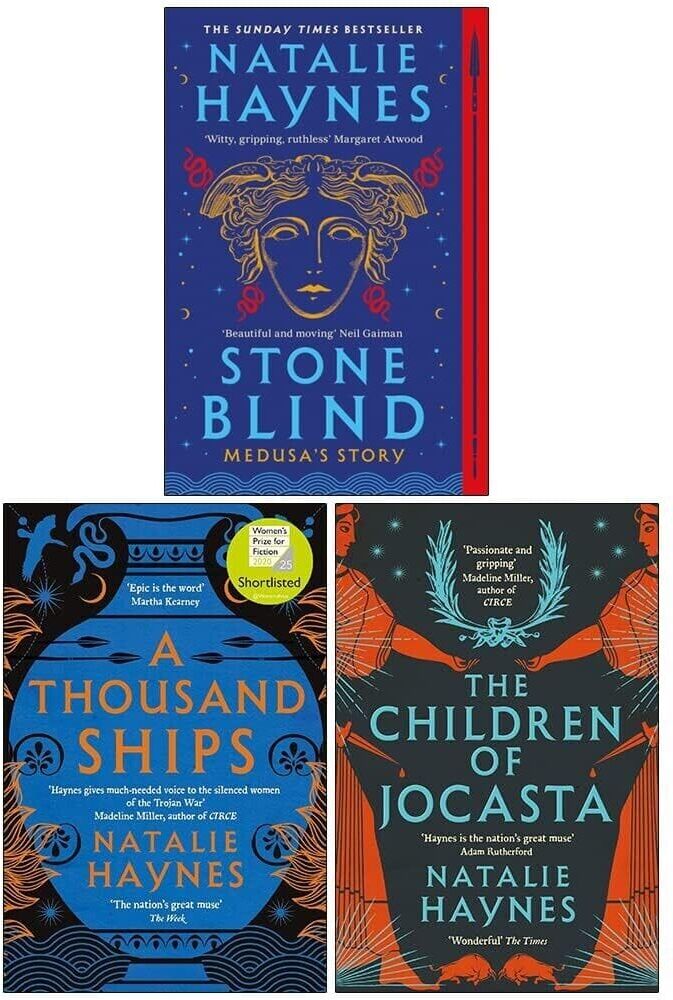
Natalie Haynes 3 Books Collection Set - Fiction - Paperback Pan MacmillanTitles in this set: A Thousand Ships The Children of Jocasta Stone Blind Description: A Thousand Ships This was never the story of one woman, or two. It was the story of them all . . . In the middle of the night, a woman wakes to find her beloved city engulfed in flames. Ten seemingly endless years of conflict between the Greeks and the Trojans are over. Troy has fallen. From the Trojan women whose fates now lie in the hands of the Greeks, to the Amazon princess who fought Achilles on their behalf, to Penelope awaiting the return of Odysseus, to the three goddesses whose feud started it all, these are the stories of the women embroiled in the legendary war. The Children of Jocasta My siblings and I have grown up in a cursed house, children of cursed parents . . . Jocasta is just fifteen when she is told that she must marry the King of Thebes, an old man she has never met. Her life has never been her own, and nor will it be, unless she outlives her strange, absent husband. Ismene is the same age when she is attacked in the palace she calls home. Since the day of her parents' tragic deaths a decade earlier, she has always longed to feel safe with the family she still has. But with a single act of violence, all that is about to change. With the turn of these two events, a tragedy is set in motion. But not as you know it. Stone Blind Medusa is the sole mortal in a family of gods. Growing up with her Gorgon sisters, she begins to realize that she is the only one who experiences change, the only one who can be hurt. When Poseidon commits an unforgiveable act against Medusa in the temple of Athene, the goddess takes her revenge where she can: on his victim. Medusa is changed forever – writhing snakes for hair and her gaze now turns any living creature to stone. She can look at nothing without destroying it. Desperate to protect her beloved sisters, Medusa condemns herself to a life of shadows. Until Perseus embarks upon a quest to fetch the head of a Gorgon . . .27,99 £*Shipping: 2,99 £Secure redirect to the provider
-
Is my vineyard snail dead?
It is difficult to determine if your vineyard snail is dead without more information. Look for signs of life such as movement, response to touch, and the condition of its body. If the snail is not moving and its body appears dried out or damaged, it may be dead. However, if you are unsure, it is best to consult with a veterinarian or an expert in snail care for a more accurate assessment. **
-
How can one sell vineyard snails?
One can sell vineyard snails by first ensuring they have the necessary permits and licenses to sell food products. Next, they can reach out to local restaurants, gourmet food stores, or farmers' markets to see if there is interest in purchasing the snails. Additionally, they can create an online presence through a website or social media to attract customers who are looking to buy vineyard snails. Lastly, offering samples or hosting tasting events can help showcase the quality and taste of the snails to potential buyers. **
-
Should one leave vineyard snails alone?
It is generally best to leave vineyard snails alone, as they play a role in the ecosystem and can be beneficial to the soil. They help break down organic matter and contribute to nutrient cycling. Additionally, some species of snails are protected or endangered, so it is important to respect their natural habitat. However, if vineyard snails are causing significant damage to crops, it may be necessary to implement control measures in a targeted and sustainable manner. **
-
How do I breed vineyard snails?
To breed vineyard snails, you will need to create a suitable environment for them. This includes providing a space with plenty of vegetation and a humid climate. You can also introduce a mating pair of snails to start the breeding process. Ensure that the snails have access to a calcium source for shell development and monitor their environment to ensure it remains suitable for breeding. With the right conditions, vineyard snails can reproduce and increase their population. **
* All prices are inclusive of VAT and, if applicable, plus shipping costs. The offer information is based on the details provided by the respective shop and is updated through automated processes. Real-time updates do not occur, so deviations can occur in individual cases. ** Note: Parts of this content were created by AI.