Buy heralogic.eu ?
We are moving the project
heralogic.eu .
Are you interested in purchasing the domain
heralogic.eu ?
domain@kv-gmbh.de · 0541-91531010
Buy heralogic.eu ?
Was polytheism always forbidden in Judaism?
Polytheism was always forbidden in Judaism. The belief in one God, known as monotheism, has been a central tenet of Judaism since its inception. The first of the Ten Commandments explicitly states, "You shall have no other gods before me." Throughout the Hebrew Bible, there are numerous admonitions against worshiping other gods or idols. Therefore, polytheism has never been an accepted belief within Judaism. **
What is a proof against polytheism?
One proof against polytheism is the concept of monotheism, which posits the existence of a single, all-powerful, and all-knowing deity. Monotheistic religions such as Christianity, Islam, and Judaism argue that the existence of multiple gods would lead to conflicts and contradictions, whereas a single God provides a unified and coherent understanding of the universe. Additionally, the idea of a single creator who is responsible for the order and design of the universe is seen as evidence against the existence of multiple, independent gods. Finally, the moral and ethical implications of monotheism, such as the idea of a single source of ultimate justice and righteousness, are often used as arguments against polytheism. **


Similar search terms for Polytheism
Top-Angebote
Products related to Polytheism:
-
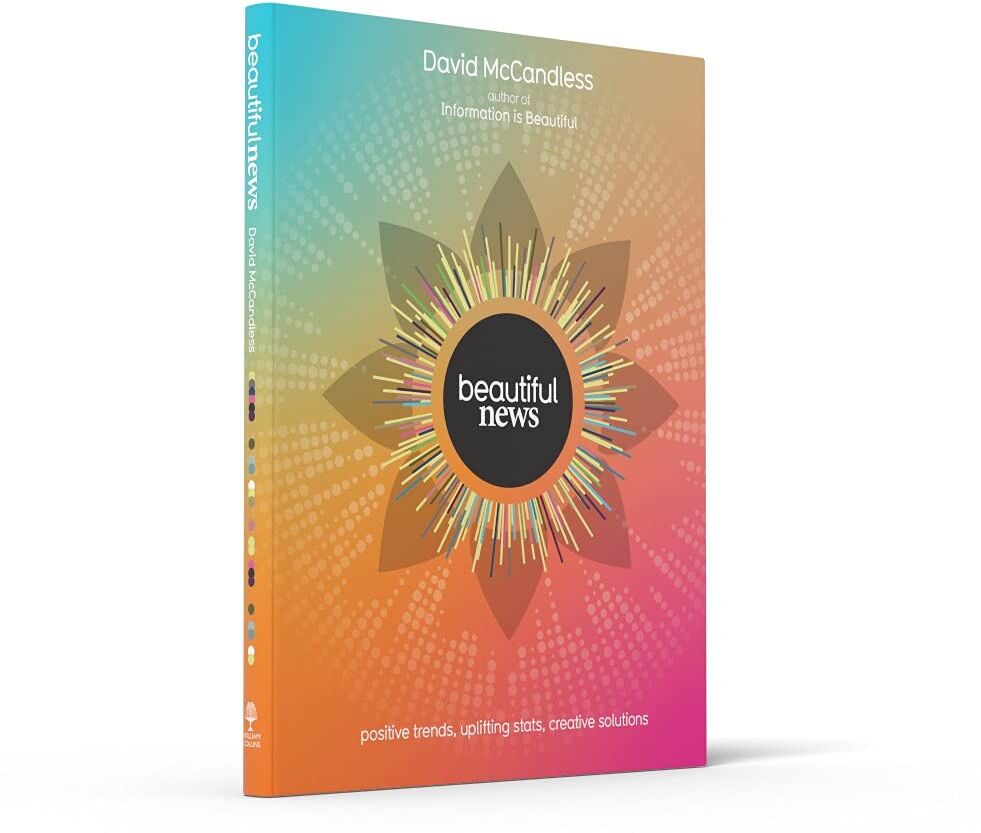
William Collins Beautiful News: Positive Trends, Uplifting Stats, Creative Solutions by David McCandlessIn this fascinating follow-up to the bestselling Information is Beautiful and Knowledge is Beautiful, the king of infographics David McCandless uses spectacular visuals to give us all a bit of good news. We are living in the Information Age, in which we are constantly bombarded with data – on television, in print and online. How can we relate to this mind-numbing overload? Enter David McCandless and his amazing infographics: simple, elegant ways to understand information too complex or abstract to grasp any way but visually. In his unique signature style, he creates dazzling displays that blend facts with their connections, contexts and relationships, making information meaningful, entertaining – and beautiful. In his highly anticipated third book, McCandless illustrates positive news from around the world, for an informative, engaging and uplifting collection of new infographic art.5,99 £*Shipping: 2,99 £Secure redirect to the provider
-
Fake News Party Card Game by Topi Games for 2-8 Players, Ages 16+Fake News is a quick-fire party card game that combines imagination, bluffing, and a straight face to create the most ridiculous story. Designed for 2–8 players aged 16 and over, it offers a lively session of around 15 minutes. Players take turns inventing absurd news stories, exaggerating the details, and trying to persuade everyone at the table that their tale deserves attention. The more creative and convincing the story, the better the chance of collecting likes and becoming the standout storyteller. With its humor-led premise and short playing time, Fake News is well suited to game nights, parties, and gatherings where players are ready to improvise. There's no need for serious reporting here; the stranger the headline, the more entertaining the result can be.12,39 £*Shipping: 3,95 £Secure redirect to the provider
-
eufy Water and Freeze Sensor with Remote Alerts WhiteInstant Notifications*: Protect your home from leaks, water damage, and damage from freezing temperatures. Get notifications if water is detected or if the temperature drops below freezing. East to Set Up: Just place it anywhere you want to detect...34,99 $*Shipping: 0,00 $Secure redirect to the provider



-
What speaks in favor of polytheism?
Polytheism can be seen as a way to acknowledge and honor the diversity of human experiences and beliefs. It allows for a more inclusive and tolerant approach to spirituality, as it recognizes the validity of different gods and goddesses in different cultures. Additionally, polytheism can provide a more personalized and multifaceted understanding of the divine, as individuals can connect with various deities that represent different aspects of life and the natural world. This can lead to a more holistic and interconnected view of the universe. **
-
What is the difference between polytheism and henotheism?
Polytheism is the belief in multiple deities or gods, where each god has its own unique powers and characteristics. Henotheism, on the other hand, is the belief in multiple gods but with the recognition of one primary god that is worshipped above all others. In henotheism, followers may acknowledge the existence of other gods but choose to focus their worship and devotion on one main deity. **
-
What do you think of polytheism and why?
Polytheism is the belief in multiple deities or gods, each with their own unique powers and characteristics. I think polytheism can offer a diverse and rich understanding of the world, as it allows for a variety of perspectives and interpretations of the divine. It can also provide a sense of connection to different aspects of life and nature. However, some may find it challenging to navigate the complexities of multiple gods and their relationships, leading to potential confusion or conflict within the belief system. **
-
Can someone explain the terms polytheism and monotheism?
Polytheism is the belief in and worship of multiple deities or gods. This means that followers of polytheistic religions believe in the existence of several gods, each with their own powers and responsibilities. Examples of polytheistic religions include Hinduism, ancient Greek and Roman religions, and various indigenous belief systems. On the other hand, monotheism is the belief in and worship of a single, all-powerful deity. This means that followers of monotheistic religions believe in the existence of only one god, who is seen as the creator and ruler of the universe. Examples of monotheistic religions include Christianity, Islam, and Judaism. **


In which countries is there still strong polytheism?
Strong polytheism is still practiced in countries such as India, Nepal, Japan, and various parts of Africa. In India, Hinduism is the predominant religion, which is polytheistic and has a wide array of gods and goddesses. In Nepal, the traditional religion of the country, known as Kiratism, is polytheistic and worships a pantheon of deities. Shintoism in Japan is also a polytheistic religion that venerates a multitude of kami (spirits or gods). Additionally, various African countries have indigenous religions that are polytheistic in nature, with a belief in multiple deities and spirits. **
What is a good example of polytheism in religions?
One good example of polytheism in religions is ancient Greek mythology, which featured a pantheon of gods and goddesses such as Zeus, Athena, and Apollo. These deities each had their own distinct powers, personalities, and domains, and were worshipped and revered by the ancient Greeks. Another example is Hinduism, which also features a multitude of gods and goddesses, each representing different aspects of the divine and playing specific roles in the universe. Both of these examples demonstrate the belief in and worship of multiple deities within a religious tradition. **
Top-Angebote
Products related to Polytheism:
-
Inspire Daily Merch Waterproof Smart Watch With Information Alerts Sleep Monitoring Pedometer And Message Answer Call pinkHighQuality Waterproof Design for Active Lifestyles The 1.83'' Waterproof Smart Watch is designed to withstand your most active days. Whether you're caught in the rain or swimming, this smart watch's waterproof feature ensures reliable performance...179,97 $*Shipping: 0,00 $Secure redirect to the provider
-
William Collins Beautiful News: Positive Trends, Uplifting Stats, Creative Solutions by David McCandlessIn this fascinating follow-up to the bestselling Information is Beautiful and Knowledge is Beautiful, the king of infographics David McCandless uses spectacular visuals to give us all a bit of good news. We are living in the Information Age, in which we are constantly bombarded with data – on television, in print and online. How can we relate to this mind-numbing overload? Enter David McCandless and his amazing infographics: simple, elegant ways to understand information too complex or abstract to grasp any way but visually. In his unique signature style, he creates dazzling displays that blend facts with their connections, contexts and relationships, making information meaningful, entertaining – and beautiful. In his highly anticipated third book, McCandless illustrates positive news from around the world, for an informative, engaging and uplifting collection of new infographic art.5,99 £*Shipping: 2,99 £Secure redirect to the provider
-
Was polytheism always forbidden in Judaism?
Polytheism was always forbidden in Judaism. The belief in one God, known as monotheism, has been a central tenet of Judaism since its inception. The first of the Ten Commandments explicitly states, "You shall have no other gods before me." Throughout the Hebrew Bible, there are numerous admonitions against worshiping other gods or idols. Therefore, polytheism has never been an accepted belief within Judaism. **
-
What is a proof against polytheism?
One proof against polytheism is the concept of monotheism, which posits the existence of a single, all-powerful, and all-knowing deity. Monotheistic religions such as Christianity, Islam, and Judaism argue that the existence of multiple gods would lead to conflicts and contradictions, whereas a single God provides a unified and coherent understanding of the universe. Additionally, the idea of a single creator who is responsible for the order and design of the universe is seen as evidence against the existence of multiple, independent gods. Finally, the moral and ethical implications of monotheism, such as the idea of a single source of ultimate justice and righteousness, are often used as arguments against polytheism. **
-
What speaks in favor of polytheism?
Polytheism can be seen as a way to acknowledge and honor the diversity of human experiences and beliefs. It allows for a more inclusive and tolerant approach to spirituality, as it recognizes the validity of different gods and goddesses in different cultures. Additionally, polytheism can provide a more personalized and multifaceted understanding of the divine, as individuals can connect with various deities that represent different aspects of life and the natural world. This can lead to a more holistic and interconnected view of the universe. **
-
What is the difference between polytheism and henotheism?
Polytheism is the belief in multiple deities or gods, where each god has its own unique powers and characteristics. Henotheism, on the other hand, is the belief in multiple gods but with the recognition of one primary god that is worshipped above all others. In henotheism, followers may acknowledge the existence of other gods but choose to focus their worship and devotion on one main deity. **
Similar search terms for Polytheism
-
Fake News Party Card Game by Topi Games for 2-8 Players, Ages 16+Fake News is a quick-fire party card game that combines imagination, bluffing, and a straight face to create the most ridiculous story. Designed for 2–8 players aged 16 and over, it offers a lively session of around 15 minutes. Players take turns inventing absurd news stories, exaggerating the details, and trying to persuade everyone at the table that their tale deserves attention. The more creative and convincing the story, the better the chance of collecting likes and becoming the standout storyteller. With its humor-led premise and short playing time, Fake News is well suited to game nights, parties, and gatherings where players are ready to improvise. There's no need for serious reporting here; the stranger the headline, the more entertaining the result can be.12,39 £*Shipping: 3,95 £Secure redirect to the provider
-
eufy Water and Freeze Sensor with Remote Alerts WhiteInstant Notifications*: Protect your home from leaks, water damage, and damage from freezing temperatures. Get notifications if water is detected or if the temperature drops below freezing. East to Set Up: Just place it anywhere you want to detect...34,99 $*Shipping: 0,00 $Secure redirect to the provider
-
Inspire Daily Merch Waterproof Smart Watch With Information Alerts Sleep Monitoring Pedometer And Message Answer Call slivery BlackHighQuality Waterproof Design for Active Lifestyles The 1.83'' Waterproof Smart Watch is designed to withstand your most active days. Whether you're caught in the rain or swimming, this smart watch's waterproof feature ensures reliable performance...179,97 $*Shipping: 0,00 $Secure redirect to the provider
-
What do you think of polytheism and why?
Polytheism is the belief in multiple deities or gods, each with their own unique powers and characteristics. I think polytheism can offer a diverse and rich understanding of the world, as it allows for a variety of perspectives and interpretations of the divine. It can also provide a sense of connection to different aspects of life and nature. However, some may find it challenging to navigate the complexities of multiple gods and their relationships, leading to potential confusion or conflict within the belief system. **
-
Can someone explain the terms polytheism and monotheism?
Polytheism is the belief in and worship of multiple deities or gods. This means that followers of polytheistic religions believe in the existence of several gods, each with their own powers and responsibilities. Examples of polytheistic religions include Hinduism, ancient Greek and Roman religions, and various indigenous belief systems. On the other hand, monotheism is the belief in and worship of a single, all-powerful deity. This means that followers of monotheistic religions believe in the existence of only one god, who is seen as the creator and ruler of the universe. Examples of monotheistic religions include Christianity, Islam, and Judaism. **
-
In which countries is there still strong polytheism?
Strong polytheism is still practiced in countries such as India, Nepal, Japan, and various parts of Africa. In India, Hinduism is the predominant religion, which is polytheistic and has a wide array of gods and goddesses. In Nepal, the traditional religion of the country, known as Kiratism, is polytheistic and worships a pantheon of deities. Shintoism in Japan is also a polytheistic religion that venerates a multitude of kami (spirits or gods). Additionally, various African countries have indigenous religions that are polytheistic in nature, with a belief in multiple deities and spirits. **
-
What is a good example of polytheism in religions?
One good example of polytheism in religions is ancient Greek mythology, which featured a pantheon of gods and goddesses such as Zeus, Athena, and Apollo. These deities each had their own distinct powers, personalities, and domains, and were worshipped and revered by the ancient Greeks. Another example is Hinduism, which also features a multitude of gods and goddesses, each representing different aspects of the divine and playing specific roles in the universe. Both of these examples demonstrate the belief in and worship of multiple deities within a religious tradition. **
* All prices are inclusive of VAT and, if applicable, plus shipping costs. The offer information is based on the details provided by the respective shop and is updated through automated processes. Real-time updates do not occur, so deviations can occur in individual cases. ** Note: Parts of this content were created by AI.