Buy heralogic.eu ?
We are moving the project
heralogic.eu .
Are you interested in purchasing the domain
heralogic.eu ?
domain@kv-gmbh.de · 0541-91531010
Buy heralogic.eu ?
Can budgies eat grape leaves and nibble on grape branches?
Budgies should not eat grape leaves or nibble on grape branches. Grape leaves and branches can be toxic to birds, including budgies, and may cause digestive issues or other health problems. It's important to provide safe and appropriate fruits and vegetables for budgies to eat, such as apples, carrots, and leafy greens, and to avoid giving them access to potentially harmful plants or branches. **
What is the history of napkin decoupage?
Napkin decoupage, also known as paper napkin decoupage, has its origins in the art of decoupage, which dates back to ancient times. Decoupage involves decorating objects by gluing paper cutouts onto them and then sealing them with varnish. The technique became popular in Europe during the 18th century, and napkin decoupage specifically gained popularity in the 20th century as decorative paper napkins became widely available. It is a popular craft technique for creating unique and personalized home decor items, such as vases, trays, and furniture. **


Similar search terms for Saro-Trading-Grape-Napkin
Top-Angebote
Products related to Saro-Trading-Grape-Napkin:
-
Saro Trading Jeweled Napkin Rings Gold Set of Four, Set of Four, GoldSet the table with the elegant Jeweled Napkin Ring Set. The resin napkin rings feature a brooch-style design embellished with clear glass beads on a gold metal base. The marbled ivory ring has a 1.5 dia. opening. Overall, each napkin ring is approx....32,99 $*Shipping: 9,95 $Secure redirect to the provider
-
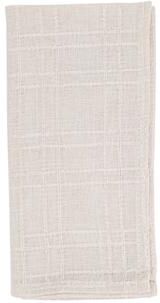
Saro Lifestyle Refined Stitched Plaid NapkinElevate your dining experience with this Refined Stitched Plaid Napkin Set. Crafted with precision and attention to detail, each napkin boasts a sophisticated stitched plaid design, adding a touch of timeless elegance to your table setting.31,49 $*Shipping: 0,00 $Secure redirect to the provider



-
Are grape hyacinths perennial?
Yes, grape hyacinths are perennial plants. This means they will come back year after year without needing to be replanted. They are known for their vibrant blue or purple flowers that bloom in the spring, making them a popular choice for gardeners looking to add color to their landscape. With proper care and maintenance, grape hyacinths can continue to thrive and bloom for many years. **
-
Is wine grape juice?
Wine is made from fermented grape juice, but it is not the same as grape juice. The fermentation process involves the conversion of sugars in the grape juice into alcohol by yeast, resulting in the creation of wine. While both wine and grape juice come from grapes, they are distinct products with different characteristics and uses. **
-
What is grape must?
Grape must is the freshly crushed juice of grapes, including the skins, seeds, and stems. It is the unfermented precursor to wine and is used in the initial stages of winemaking. Grape must can also be used to make balsamic vinegar and other grape-based products. It is rich in natural sugars, acids, and flavors, which contribute to the final characteristics of the wine or vinegar. **
-
How does the napkin technique work on glass?
The napkin technique on glass involves using a wet napkin to create a temporary design or pattern on the surface of the glass. The napkin is placed on the glass and gently pressed to adhere to the surface. The wet napkin creates a temporary bond with the glass, allowing the design to transfer onto the glass. Once the napkin is removed, the design will remain on the glass. This technique is often used for creating decorative patterns or designs on glass surfaces. **
How are grape leaves harvested?
Grape leaves are typically harvested in the late spring or early summer when they are young and tender. Harvesters carefully select leaves that are free from damage or disease. The leaves are picked by hand, ensuring that the stem is left intact to make it easier to roll or stuff the leaves later on. After harvesting, the leaves are washed and blanched before being used in various culinary dishes. **
Why does grape juice clot?
Grape juice can clot due to a natural process called pectin gelation. Pectin is a type of soluble fiber found in fruits like grapes, and when the juice is heated or cooled, the pectin molecules can form a gel-like structure, causing the juice to thicken or clot. This process is similar to how jam or jelly is made, where pectin helps to create a thick, spreadable consistency. Additionally, the presence of other compounds like tannins in grape juice can also contribute to clotting by interacting with proteins and forming complexes that further thicken the juice. **
Top-Angebote
Products related to Saro-Trading-Grape-Napkin:
-
Saro Trading Grape Napkin Rings Purple Set of Four, Set of Four, PurpleDisplay the perfectly plump Grape Napkin Rings on any table. This handcrafted glass napkin ring set features purple grapes and green leaves. The metal ring, with a 1.5 dia. opening, is wrapped with glass beads. Due to the handcrafted nature, slight...29,99 $*Shipping: 9,95 $Secure redirect to the provider
-
Saro Trading Jeweled Elegance Napkin Rings Set of Four, Set of Four, SilverSparkling with Jeweled Elegance, this napkin ring set adds a glint of glamour to any table setting. The ornate metal napkin rings, 1.5 dia., feature an acrylic diamond in the center of an openwork medallion with jewel accents. Overall, each is 2.5...39,99 $*Shipping: 9,95 $Secure redirect to the provider
-
Saro Trading Jeweled Napkin Rings Gold Set of Four, Set of Four, GoldSet the table with the elegant Jeweled Napkin Ring Set. The resin napkin rings feature a brooch-style design embellished with clear glass beads on a gold metal base. The marbled ivory ring has a 1.5 dia. opening. Overall, each napkin ring is approx....32,99 $*Shipping: 9,95 $Secure redirect to the provider
-
Can budgies eat grape leaves and nibble on grape branches?
Budgies should not eat grape leaves or nibble on grape branches. Grape leaves and branches can be toxic to birds, including budgies, and may cause digestive issues or other health problems. It's important to provide safe and appropriate fruits and vegetables for budgies to eat, such as apples, carrots, and leafy greens, and to avoid giving them access to potentially harmful plants or branches. **
-
What is the history of napkin decoupage?
Napkin decoupage, also known as paper napkin decoupage, has its origins in the art of decoupage, which dates back to ancient times. Decoupage involves decorating objects by gluing paper cutouts onto them and then sealing them with varnish. The technique became popular in Europe during the 18th century, and napkin decoupage specifically gained popularity in the 20th century as decorative paper napkins became widely available. It is a popular craft technique for creating unique and personalized home decor items, such as vases, trays, and furniture. **
-
Are grape hyacinths perennial?
Yes, grape hyacinths are perennial plants. This means they will come back year after year without needing to be replanted. They are known for their vibrant blue or purple flowers that bloom in the spring, making them a popular choice for gardeners looking to add color to their landscape. With proper care and maintenance, grape hyacinths can continue to thrive and bloom for many years. **
-
Is wine grape juice?
Wine is made from fermented grape juice, but it is not the same as grape juice. The fermentation process involves the conversion of sugars in the grape juice into alcohol by yeast, resulting in the creation of wine. While both wine and grape juice come from grapes, they are distinct products with different characteristics and uses. **
Similar search terms for Saro-Trading-Grape-Napkin
-
Saro Lifestyle Refined Stitched Plaid NapkinElevate your dining experience with this Refined Stitched Plaid Napkin Set. Crafted with precision and attention to detail, each napkin boasts a sophisticated stitched plaid design, adding a touch of timeless elegance to your table setting.31,49 $*Shipping: 0,00 $Secure redirect to the provider
-
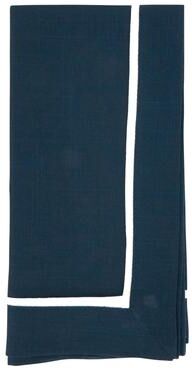
Saro Lifestyle Classic Border Design NapkinAdd a splash of color to your table décor with these vibrant Classic Border Design Table Napkins. A pure white border line brings the perfect finishing touch to the design. The set is highly versatile, pairing well with a wide range of tableware.31,95 $*Shipping: 0,00 $Secure redirect to the provider
-
Saro Lifestyle Refined Stitched Plaid NapkinElevate your dining experience with this Refined Stitched Plaid Napkin Set. Crafted with precision and attention to detail, each napkin boasts a sophisticated stitched plaid design, adding a touch of timeless elegance to your table setting.24,88 $*Shipping: 0,00 $Secure redirect to the provider
-
What is grape must?
Grape must is the freshly crushed juice of grapes, including the skins, seeds, and stems. It is the unfermented precursor to wine and is used in the initial stages of winemaking. Grape must can also be used to make balsamic vinegar and other grape-based products. It is rich in natural sugars, acids, and flavors, which contribute to the final characteristics of the wine or vinegar. **
-
How does the napkin technique work on glass?
The napkin technique on glass involves using a wet napkin to create a temporary design or pattern on the surface of the glass. The napkin is placed on the glass and gently pressed to adhere to the surface. The wet napkin creates a temporary bond with the glass, allowing the design to transfer onto the glass. Once the napkin is removed, the design will remain on the glass. This technique is often used for creating decorative patterns or designs on glass surfaces. **
-
How are grape leaves harvested?
Grape leaves are typically harvested in the late spring or early summer when they are young and tender. Harvesters carefully select leaves that are free from damage or disease. The leaves are picked by hand, ensuring that the stem is left intact to make it easier to roll or stuff the leaves later on. After harvesting, the leaves are washed and blanched before being used in various culinary dishes. **
-
Why does grape juice clot?
Grape juice can clot due to a natural process called pectin gelation. Pectin is a type of soluble fiber found in fruits like grapes, and when the juice is heated or cooled, the pectin molecules can form a gel-like structure, causing the juice to thicken or clot. This process is similar to how jam or jelly is made, where pectin helps to create a thick, spreadable consistency. Additionally, the presence of other compounds like tannins in grape juice can also contribute to clotting by interacting with proteins and forming complexes that further thicken the juice. **
* All prices are inclusive of VAT and, if applicable, plus shipping costs. The offer information is based on the details provided by the respective shop and is updated through automated processes. Real-time updates do not occur, so deviations can occur in individual cases. ** Note: Parts of this content were created by AI.