Buy heralogic.eu ?
We are moving the project
heralogic.eu .
Are you interested in purchasing the domain
heralogic.eu ?
domain@kv-gmbh.de · 0541-91531010
Buy heralogic.eu ?
What happened to Yugoslavia?
Yugoslavia was a country in Southeast Europe that existed from 1918 to 2003. It was formed after World War I and consisted of several different ethnic groups, including Serbs, Croats, and Bosniaks. However, ethnic tensions and political conflicts eventually led to the breakup of Yugoslavia in the 1990s. This breakup resulted in a series of violent conflicts, including the Bosnian War and the Kosovo War. By 2003, the remaining parts of Yugoslavia had all become independent nations, including Serbia, Croatia, Bosnia and Herzegovina, Montenegro, North Macedonia, and Slovenia. **
Was Yugoslavia a democracy?
Yugoslavia was officially a socialist federal republic, and its political system was based on the principles of self-management and workers' councils. While it had elements of a multi-party system and periodic elections, the Communist Party held a dominant position in the government and society. This limited the true democratic nature of the country, as the ruling party had significant control over political and social life. Therefore, while Yugoslavia had some democratic features, it did not fully function as a liberal democracy. **

Similar search terms for Yugoslavia
Top-Angebote
Products related to Yugoslavia:
-
eufy Water and Freeze Sensor with Remote Alerts WhiteInstant Notifications*: Protect your home from leaks, waterdamage, and damage from freezing temperatures. Get notifications if water is detected or if the temperature drops below freezing. East to Set Up: Just place it anywhere you want to detect water or freezing temperatures Replaceable Battery with 2-Year Battery Life: The single repfaceable battery lasts up to 2 years. Stable Connection to HomeBase: Sub-1G connectivity ensuIres a stable connection to HomeBase 2 or 3 all around the home and yard. One App Controls All: Links to HomeBase and the eufy Seciurity app. Easily get notifications and check the battery status.25,99 £*Shipping: 0,00 £Secure redirect to the provider
-
Sceptre Stop Reading the News: A Manifesto for a Happier, Calmer and Wiser Life by Rolf DobelliIn 2013 Rolf Dobelli stood in front of a roomful of journalists and proclaimed that he did not read the news. It caused a riot. Now the author of the bestselling The Art of Thinking Clearly finally sets down his philosophy in detail. And he practises what he preaches: he hasn't read the news for a decade. Stop Reading the News is Dobelli's manifesto about the dangers of the most toxic form of information - news. He shows the damage it does to our concentration and well-being, and how a misplaced sense of duty can misdirect our behaviour. Most importantly, he offers the reader the guidance on how to live without news, and the many potential gains to be had: less disruption, more time, less anxiety, more insights. In a world of increasing disruption and division, Stop Reading the News is a welcome voice of calm and wisdom.4,49 £*Shipping: 1,99 £Secure redirect to the provider
-
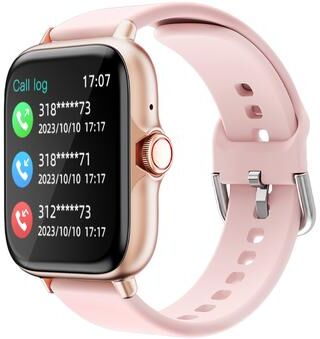
Inspire Daily Merch Waterproof Smart Watch With Information Alerts Sleep Monitoring Pedometer And Message Answer Call pinkHighQuality Waterproof Design for Active Lifestyles The 1.83'' Waterproof Smart Watch is designed to withstand your most active days. Whether you're caught in the rain or swimming, this smart watch's waterproof feature ensures reliable performance...179,97 $*Shipping: 0,00 $Secure redirect to the provider
-
Inspire Daily Merch Waterproof Smart Watch With Information Alerts Sleep Monitoring Pedometer And Message Answer Call starlightHighQuality Waterproof Design for Active Lifestyles The 1.83'' Waterproof Smart Watch is designed to withstand your most active days. Whether you're caught in the rain or swimming, this smart watch's waterproof feature ensures reliable performance...179,97 $*Shipping: 0,00 $Secure redirect to the provider



-
What is Yugoslavia called today?
Yugoslavia is no longer a country. It dissolved in the early 1990s due to ethnic conflicts and is now split into several independent countries. These countries include Serbia, Croatia, Slovenia, Bosnia and Herzegovina, Montenegro, Kosovo, and North Macedonia. **
-
Which language was spoken in Yugoslavia?
The main language spoken in Yugoslavia was Serbo-Croatian, which is a South Slavic language. This language was a combination of Serbian and Croatian dialects and was used as the official language of the country. Other languages spoken in Yugoslavia included Slovenian, Macedonian, and Albanian, reflecting the diverse ethnic makeup of the country. **
-
How would Yugoslavia look like today?
It is difficult to predict exactly how Yugoslavia would look like today as there are many factors to consider. However, it is possible that the country would have faced challenges due to its diverse ethnic and religious makeup. There may have been ongoing tensions between different groups, potentially leading to political instability and conflict. On the other hand, if the country had managed to maintain unity and stability, it could have been a strong player in the region with a diverse and vibrant culture. **
-
Why does Yugoslavia no longer exist?
Yugoslavia no longer exists due to a combination of factors, including ethnic and nationalist tensions, economic difficulties, and the collapse of communism. The country was made up of multiple ethnic groups, including Serbs, Croats, and Bosnians, which led to internal conflicts and eventually the breakup of the country. Additionally, the fall of communism in Eastern Europe and the economic struggles that followed contributed to the disintegration of Yugoslavia. Ultimately, these factors led to the secession of various republics and the eventual dissolution of the country. **


Is Yugoslavia a world power today?
No, Yugoslavia is not a world power today. In fact, Yugoslavia as a political entity ceased to exist in the 1990s, breaking up into several independent countries including Serbia, Croatia, Bosnia and Herzegovina, Montenegro, North Macedonia, and Slovenia. These individual countries do not hold the same level of global influence or power as the former Yugoslavia once did. Therefore, Yugoslavia is not a world power today. **
What is the problem regarding Yugoslavia?
The problem regarding Yugoslavia is the ongoing ethnic and political tensions that have persisted since the breakup of the country in the 1990s. The region has experienced violent conflicts and wars, resulting in the loss of thousands of lives and the displacement of millions of people. The unresolved issues of ethnic nationalism, territorial disputes, and political instability continue to hinder the progress and stability of the region. Additionally, the lack of reconciliation and accountability for war crimes and human rights abuses further complicates efforts to achieve lasting peace and stability in the former Yugoslav states. **
Top-Angebote
Products related to Yugoslavia:
-
Inspire Daily Merch Waterproof Smart Watch With Information Alerts Sleep Monitoring Pedometer And Message Answer Call blackHighQuality Waterproof Design for Active Lifestyles The 1.83'' Waterproof Smart Watch is designed to withstand your most active days. Whether you're caught in the rain or swimming, this smart watch's waterproof feature ensures reliable performance...179,97 $*Shipping: 0,00 $Secure redirect to the provider
-
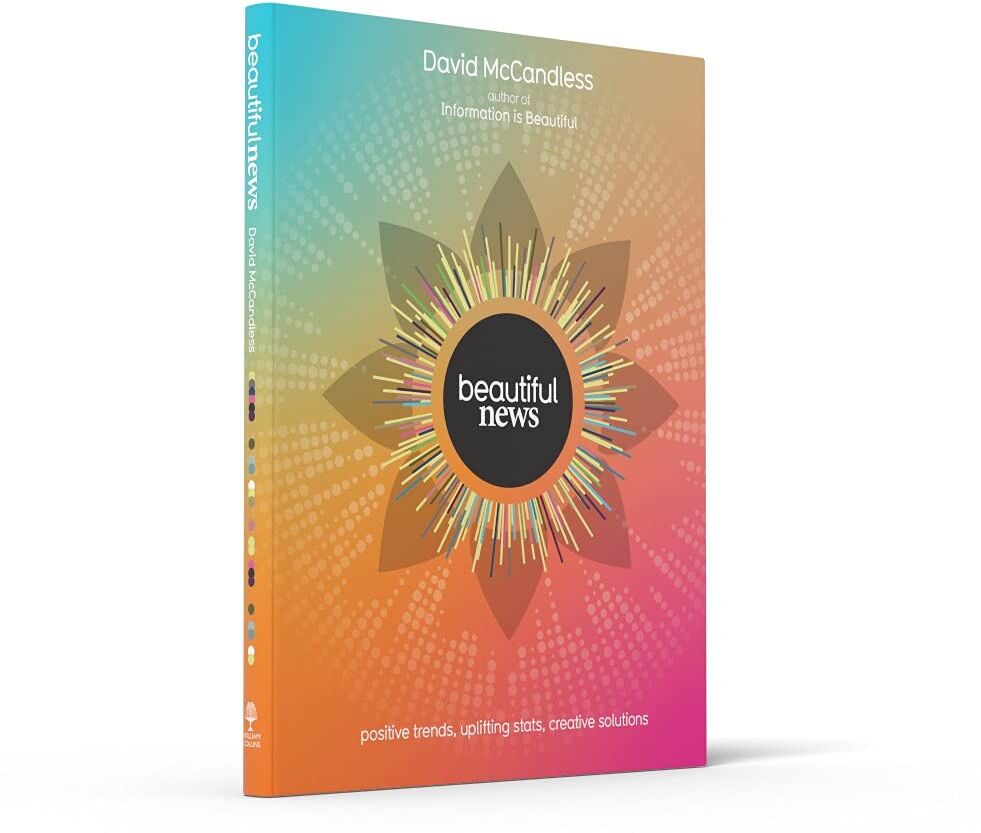
William Collins Beautiful News: Positive Trends, Uplifting Stats, Creative Solutions by David McCandlessIn this fascinating follow-up to the bestselling Information is Beautiful and Knowledge is Beautiful, the king of infographics David McCandless uses spectacular visuals to give us all a bit of good news. We are living in the Information Age, in which we are constantly bombarded with data – on television, in print and online. How can we relate to this mind-numbing overload? Enter David McCandless and his amazing infographics: simple, elegant ways to understand information too complex or abstract to grasp any way but visually. In his unique signature style, he creates dazzling displays that blend facts with their connections, contexts and relationships, making information meaningful, entertaining – and beautiful. In his highly anticipated third book, McCandless illustrates positive news from around the world, for an informative, engaging and uplifting collection of new infographic art.5,99 £*Shipping: 2,99 £Secure redirect to the provider
-
eufy Water and Freeze Sensor with Remote Alerts WhiteInstant Notifications*: Protect your home from leaks, waterdamage, and damage from freezing temperatures. Get notifications if water is detected or if the temperature drops below freezing. East to Set Up: Just place it anywhere you want to detect water or freezing temperatures Replaceable Battery with 2-Year Battery Life: The single repfaceable battery lasts up to 2 years. Stable Connection to HomeBase: Sub-1G connectivity ensuIres a stable connection to HomeBase 2 or 3 all around the home and yard. One App Controls All: Links to HomeBase and the eufy Seciurity app. Easily get notifications and check the battery status.25,99 £*Shipping: 0,00 £Secure redirect to the provider
-
Sceptre Stop Reading the News: A Manifesto for a Happier, Calmer and Wiser Life by Rolf DobelliIn 2013 Rolf Dobelli stood in front of a roomful of journalists and proclaimed that he did not read the news. It caused a riot. Now the author of the bestselling The Art of Thinking Clearly finally sets down his philosophy in detail. And he practises what he preaches: he hasn't read the news for a decade. Stop Reading the News is Dobelli's manifesto about the dangers of the most toxic form of information - news. He shows the damage it does to our concentration and well-being, and how a misplaced sense of duty can misdirect our behaviour. Most importantly, he offers the reader the guidance on how to live without news, and the many potential gains to be had: less disruption, more time, less anxiety, more insights. In a world of increasing disruption and division, Stop Reading the News is a welcome voice of calm and wisdom.4,49 £*Shipping: 1,99 £Secure redirect to the provider
-
What happened to Yugoslavia?
Yugoslavia was a country in Southeast Europe that existed from 1918 to 2003. It was formed after World War I and consisted of several different ethnic groups, including Serbs, Croats, and Bosniaks. However, ethnic tensions and political conflicts eventually led to the breakup of Yugoslavia in the 1990s. This breakup resulted in a series of violent conflicts, including the Bosnian War and the Kosovo War. By 2003, the remaining parts of Yugoslavia had all become independent nations, including Serbia, Croatia, Bosnia and Herzegovina, Montenegro, North Macedonia, and Slovenia. **
-
Was Yugoslavia a democracy?
Yugoslavia was officially a socialist federal republic, and its political system was based on the principles of self-management and workers' councils. While it had elements of a multi-party system and periodic elections, the Communist Party held a dominant position in the government and society. This limited the true democratic nature of the country, as the ruling party had significant control over political and social life. Therefore, while Yugoslavia had some democratic features, it did not fully function as a liberal democracy. **
-
What is Yugoslavia called today?
Yugoslavia is no longer a country. It dissolved in the early 1990s due to ethnic conflicts and is now split into several independent countries. These countries include Serbia, Croatia, Slovenia, Bosnia and Herzegovina, Montenegro, Kosovo, and North Macedonia. **
-
Which language was spoken in Yugoslavia?
The main language spoken in Yugoslavia was Serbo-Croatian, which is a South Slavic language. This language was a combination of Serbian and Croatian dialects and was used as the official language of the country. Other languages spoken in Yugoslavia included Slovenian, Macedonian, and Albanian, reflecting the diverse ethnic makeup of the country. **
Similar search terms for Yugoslavia
-
Inspire Daily Merch Waterproof Smart Watch With Information Alerts Sleep Monitoring Pedometer And Message Answer Call pinkHighQuality Waterproof Design for Active Lifestyles The 1.83'' Waterproof Smart Watch is designed to withstand your most active days. Whether you're caught in the rain or swimming, this smart watch's waterproof feature ensures reliable performance...179,97 $*Shipping: 0,00 $Secure redirect to the provider
-
Inspire Daily Merch Waterproof Smart Watch With Information Alerts Sleep Monitoring Pedometer And Message Answer Call starlightHighQuality Waterproof Design for Active Lifestyles The 1.83'' Waterproof Smart Watch is designed to withstand your most active days. Whether you're caught in the rain or swimming, this smart watch's waterproof feature ensures reliable performance...179,97 $*Shipping: 0,00 $Secure redirect to the provider
-
Inspire Daily Merch Waterproof Smart Watch With Information Alerts Sleep Monitoring Pedometer And Message Answer Call whiteHighQuality Waterproof Design for Active Lifestyles The 1.83'' Waterproof Smart Watch is designed to withstand your most active days. Whether you're caught in the rain or swimming, this smart watch's waterproof feature ensures reliable performance...179,97 $*Shipping: 0,00 $Secure redirect to the provider
-
Inspire Daily Merch Waterproof Smart Watch With Information Alerts Sleep Monitoring Pedometer And Message Answer Call gold BlackHighQuality Waterproof Design for Active Lifestyles The 1.83'' Waterproof Smart Watch is designed to withstand your most active days. Whether you're caught in the rain or swimming, this smart watch's waterproof feature ensures reliable performance...179,97 $*Shipping: 0,00 $Secure redirect to the provider
-
How would Yugoslavia look like today?
It is difficult to predict exactly how Yugoslavia would look like today as there are many factors to consider. However, it is possible that the country would have faced challenges due to its diverse ethnic and religious makeup. There may have been ongoing tensions between different groups, potentially leading to political instability and conflict. On the other hand, if the country had managed to maintain unity and stability, it could have been a strong player in the region with a diverse and vibrant culture. **
-
Why does Yugoslavia no longer exist?
Yugoslavia no longer exists due to a combination of factors, including ethnic and nationalist tensions, economic difficulties, and the collapse of communism. The country was made up of multiple ethnic groups, including Serbs, Croats, and Bosnians, which led to internal conflicts and eventually the breakup of the country. Additionally, the fall of communism in Eastern Europe and the economic struggles that followed contributed to the disintegration of Yugoslavia. Ultimately, these factors led to the secession of various republics and the eventual dissolution of the country. **
-
Is Yugoslavia a world power today?
No, Yugoslavia is not a world power today. In fact, Yugoslavia as a political entity ceased to exist in the 1990s, breaking up into several independent countries including Serbia, Croatia, Bosnia and Herzegovina, Montenegro, North Macedonia, and Slovenia. These individual countries do not hold the same level of global influence or power as the former Yugoslavia once did. Therefore, Yugoslavia is not a world power today. **
-
What is the problem regarding Yugoslavia?
The problem regarding Yugoslavia is the ongoing ethnic and political tensions that have persisted since the breakup of the country in the 1990s. The region has experienced violent conflicts and wars, resulting in the loss of thousands of lives and the displacement of millions of people. The unresolved issues of ethnic nationalism, territorial disputes, and political instability continue to hinder the progress and stability of the region. Additionally, the lack of reconciliation and accountability for war crimes and human rights abuses further complicates efforts to achieve lasting peace and stability in the former Yugoslav states. **
* All prices are inclusive of VAT and, if applicable, plus shipping costs. The offer information is based on the details provided by the respective shop and is updated through automated processes. Real-time updates do not occur, so deviations can occur in individual cases. ** Note: Parts of this content were created by AI.